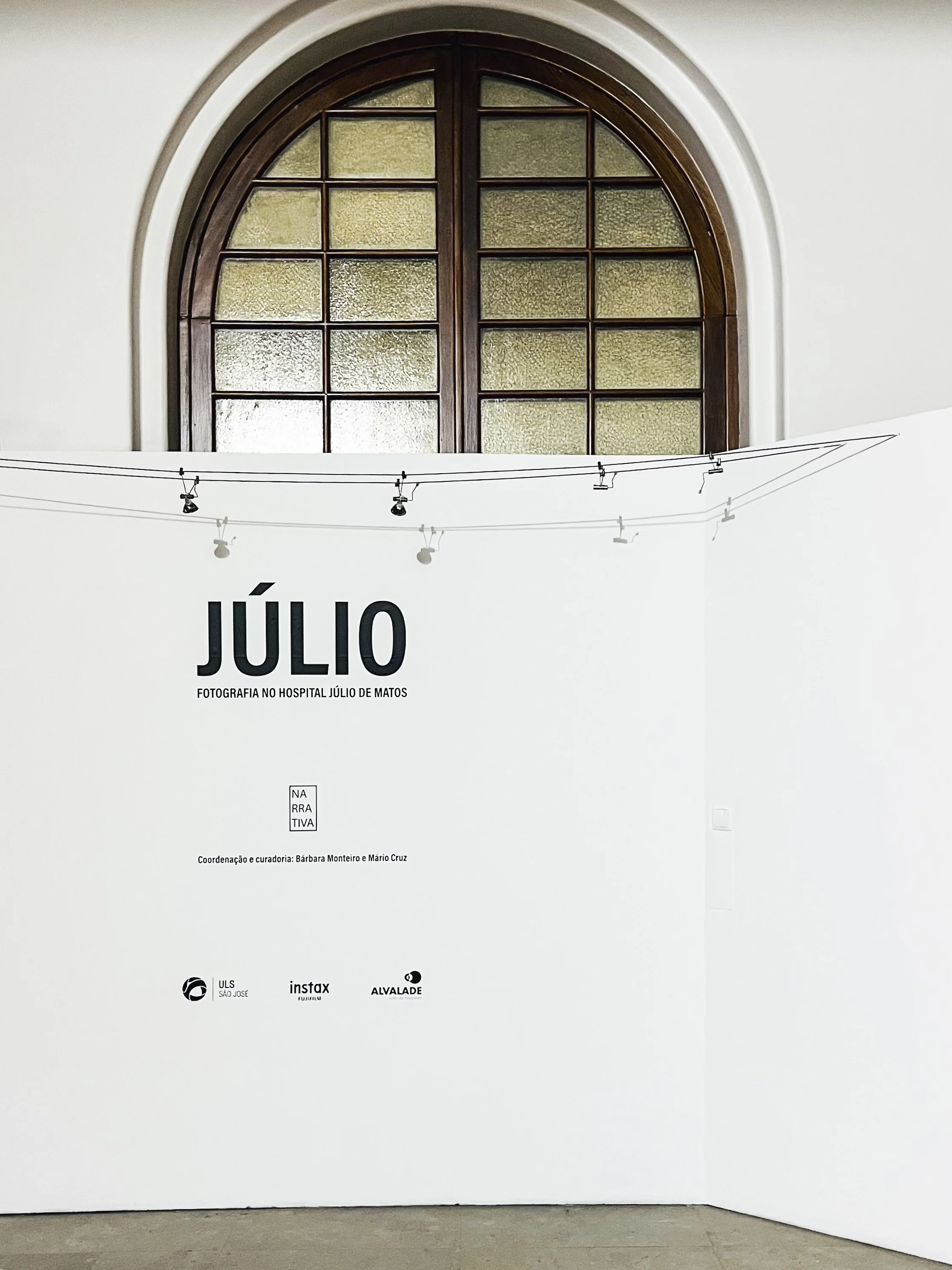
Júlio
NARRATIVA, in partnership with the Júlio de Matos Hospital, carried out an artistic and educational project involving six hospital patients.
Under the guidance of photographers Bárbara Monteiro and Mário Cruz, photography was explored as a means of expression and observation, opening space for dialogue between personal experience and artistic creation.
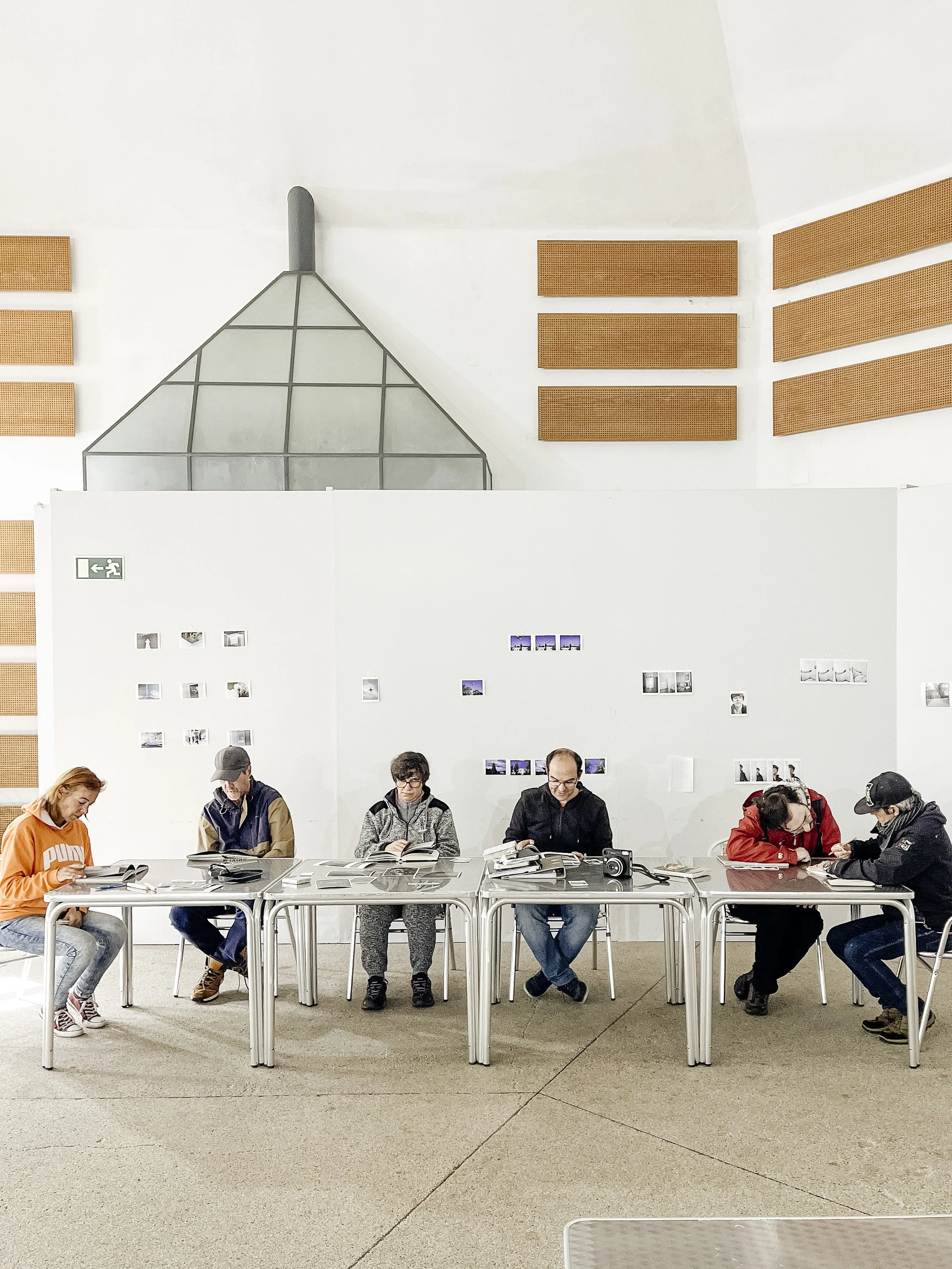
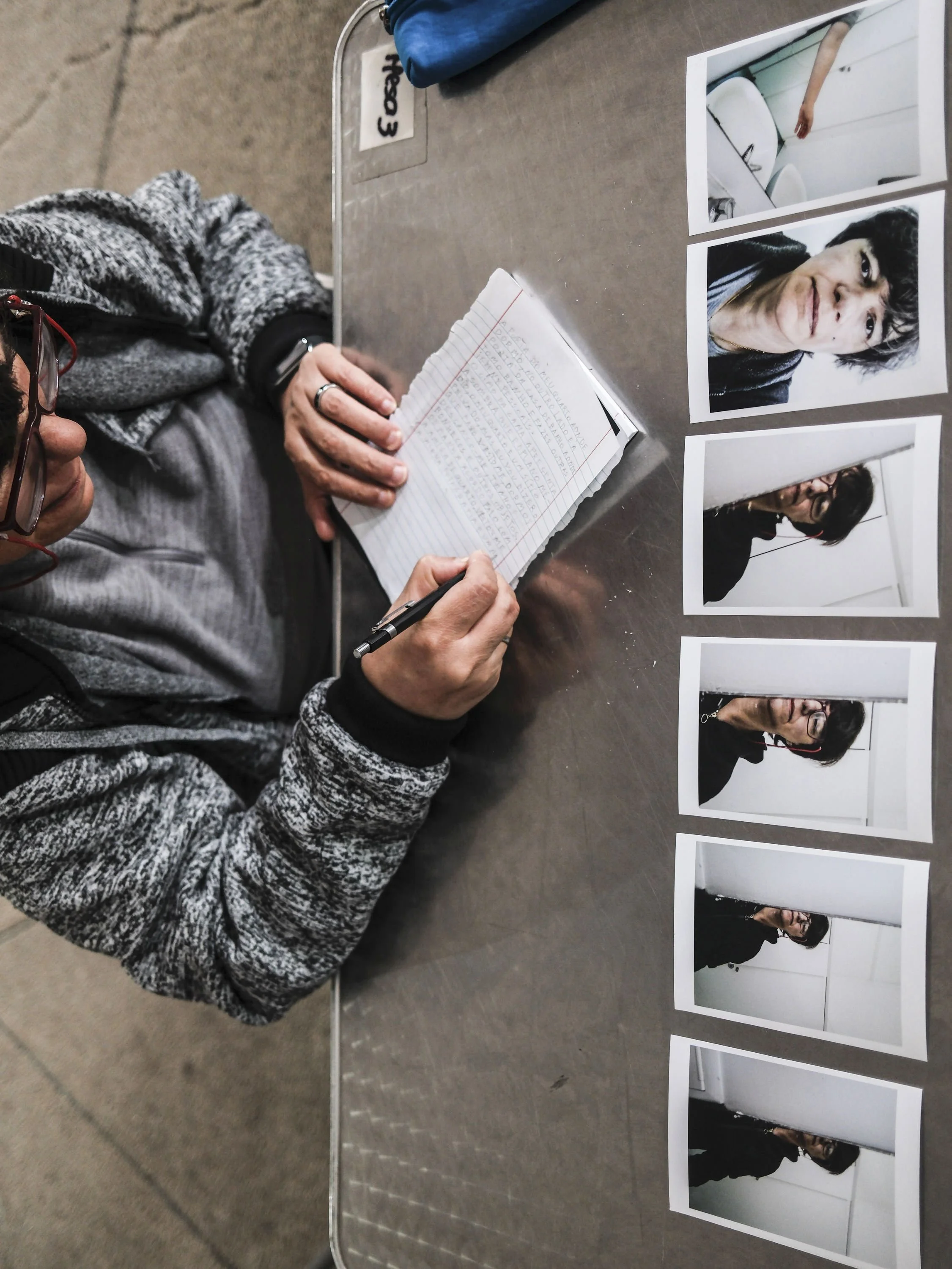
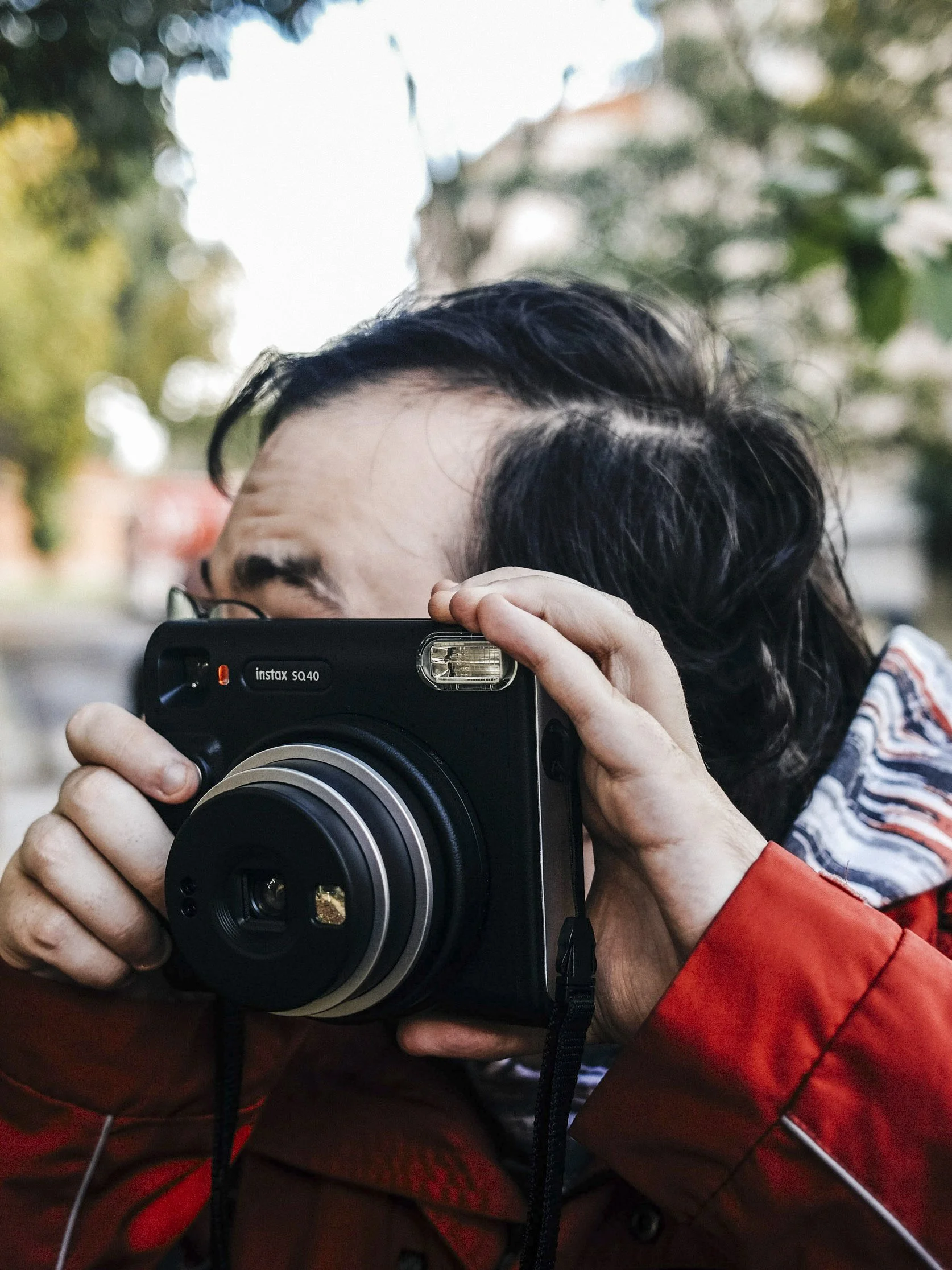
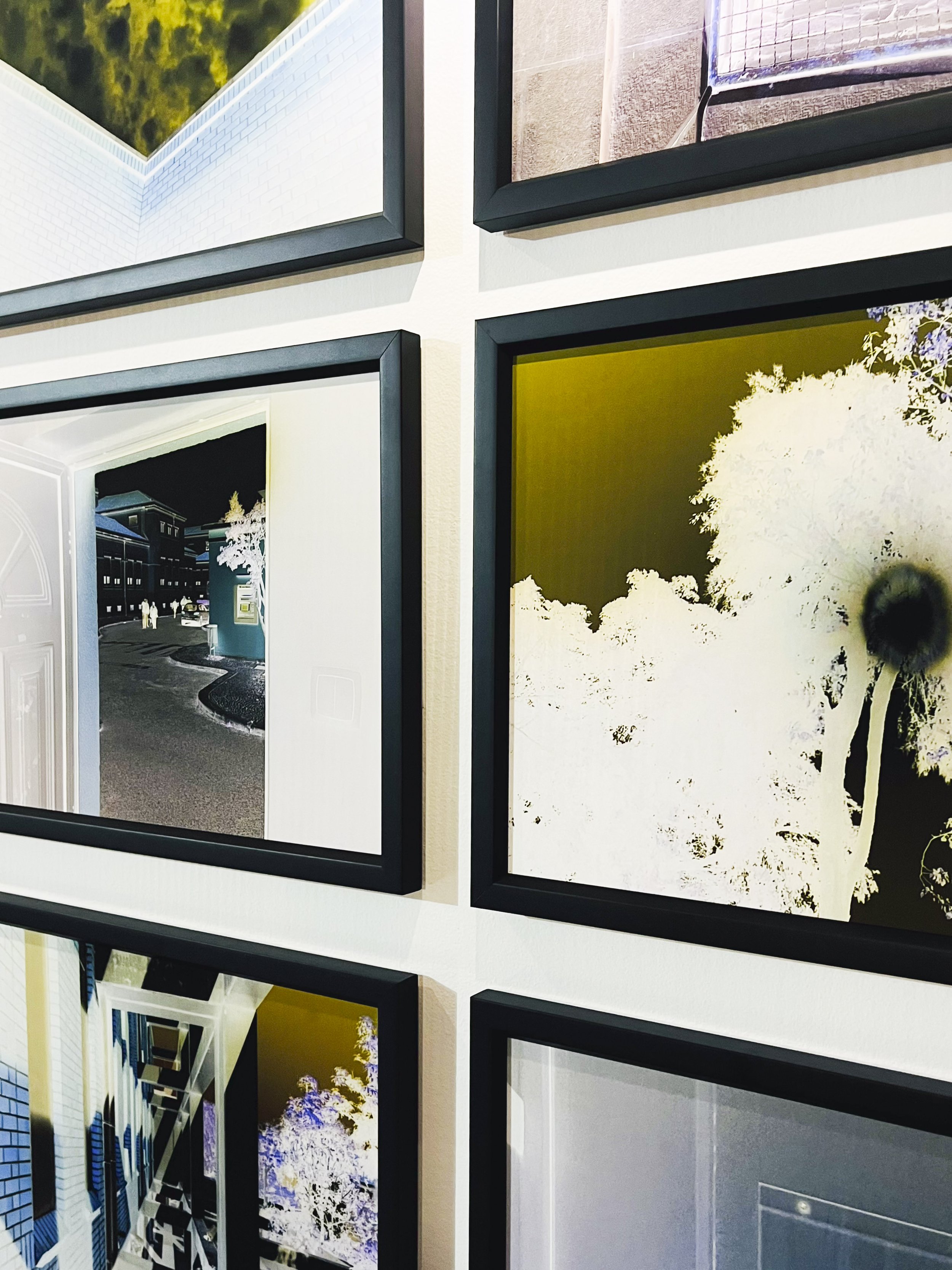
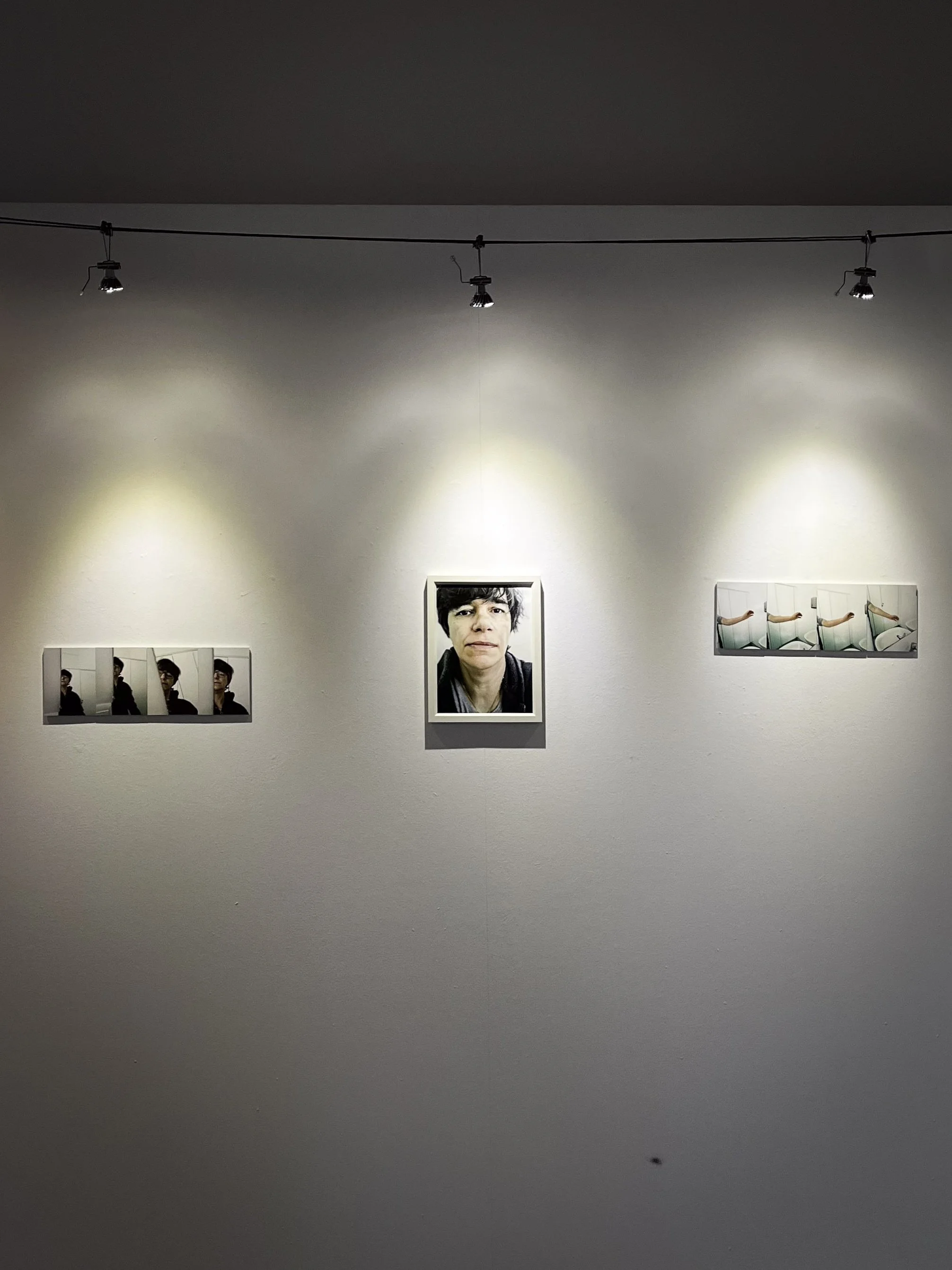
Between September and December 2025, the participants immersed themselves in a journey that articulated photographic practice and authorial research.
Each one created a personal work based on their direct relationship with the hospital space — its people, the architecture, the gestures of daily life, the places of silence and encounter. The resulting works reveal unique perspectives on the same territory, exposing both the physical and the emotional and symbolic dimensions of this context.
The exhibition proposes a pluralistic reading of the Júlio de Matos Hospital, where photography asserts itself as a tool for sharing and connection.
Authors: Bruno Oliveira, Carlos Vargas, Paula Mata, Ricardo Carvalho, Rúben Cruz, and Sara Esteves.
The exhibition is on display in the main lobby of the Júlio de Matos Hospital, at Av. do Brasil, 53, in Lisbon.
Bruno Oliveira
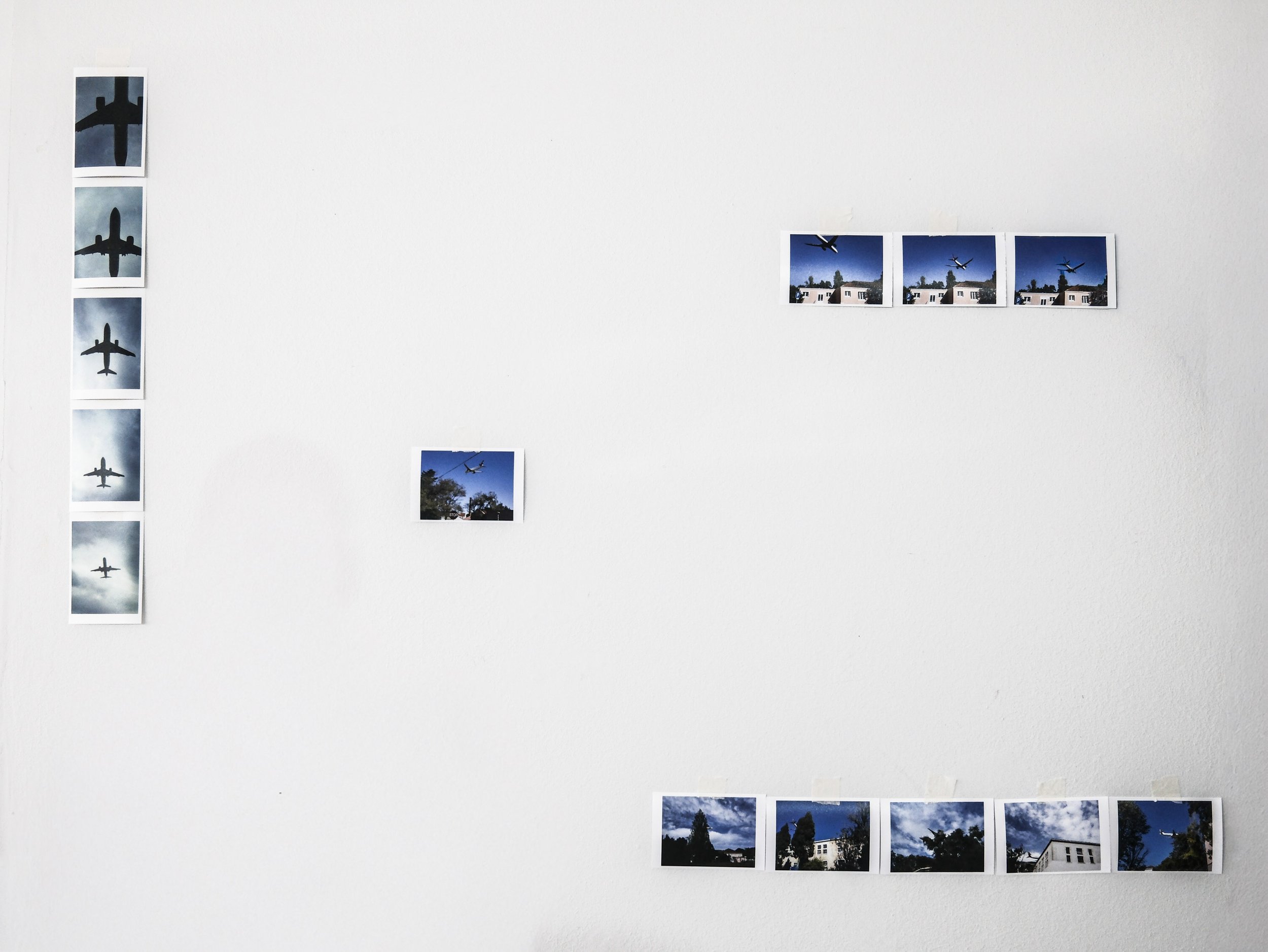
JÚLIO arises from attention directed to an element that insists on permeating daily life: the constant passage of airplanes over the hospital. What for many is merely distant noise becomes here an inevitable presence — sound, vibration, and movement that break the silence and invade thought.
Carlos Vargas
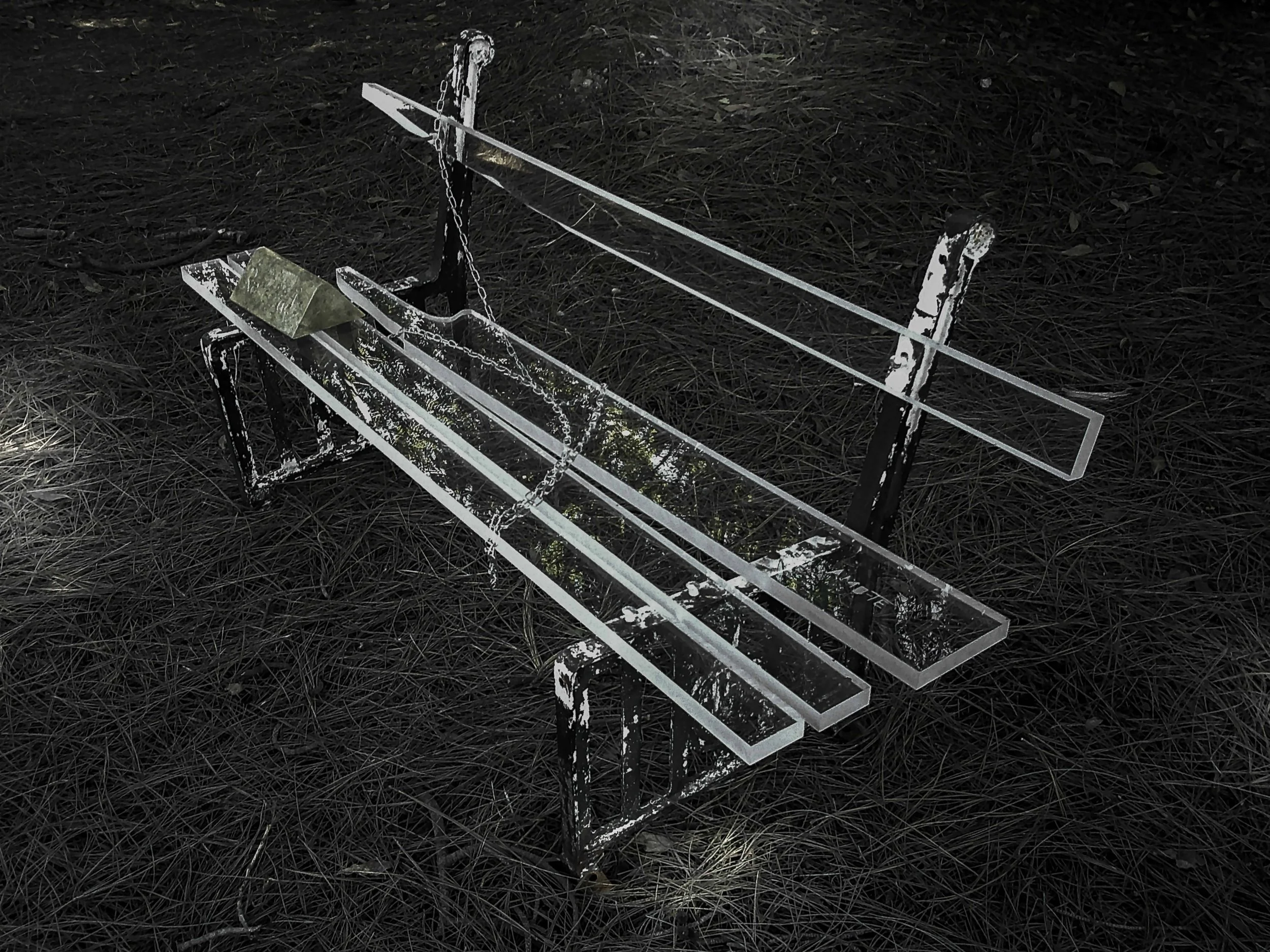
JÚLIO appears represented in abandoned objects and places, silences that resist time and memory. In the interstices of the hospital, traces of what was used, lost, or simply forgotten are revealed. The approach is almost archaeological: each ruin is treated as evidence of a presence that has changed form, remaining only as a vestige of what once existed there.
Paula Mata
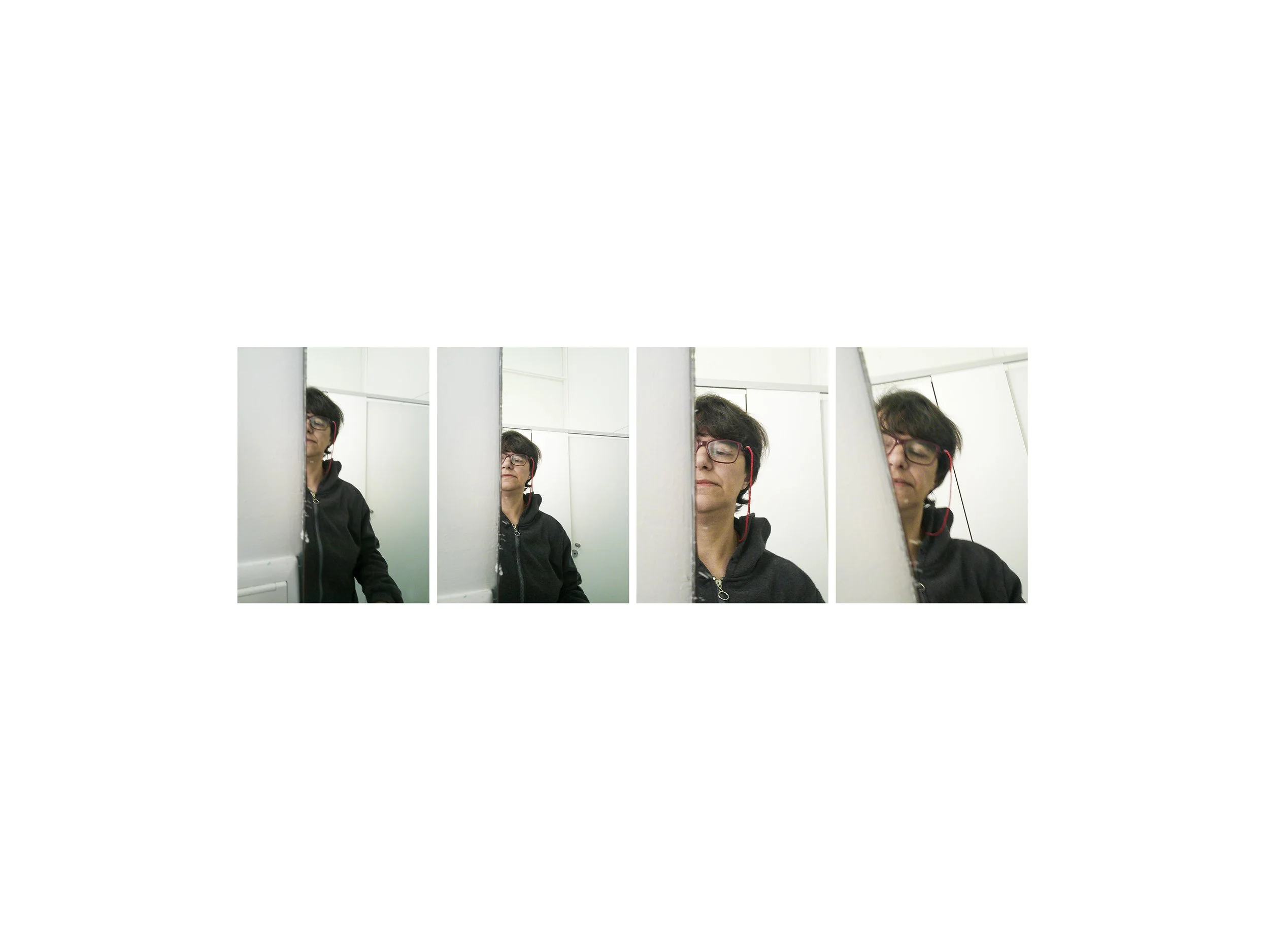
JÚLIO is part of a self-portrait that serves as a mirror of its own presence in the hospital, exploring the room as an intimate, almost domestic space, where life is organized between interiority and sharing. The images cross the threshold between home and institution, showing how a clinical place can, little by little, transform into an inhabited environment in a coexistence between vulnerability and affirmation, where the room appears as a territory of permanence and identity.
Ricardo Carvalho
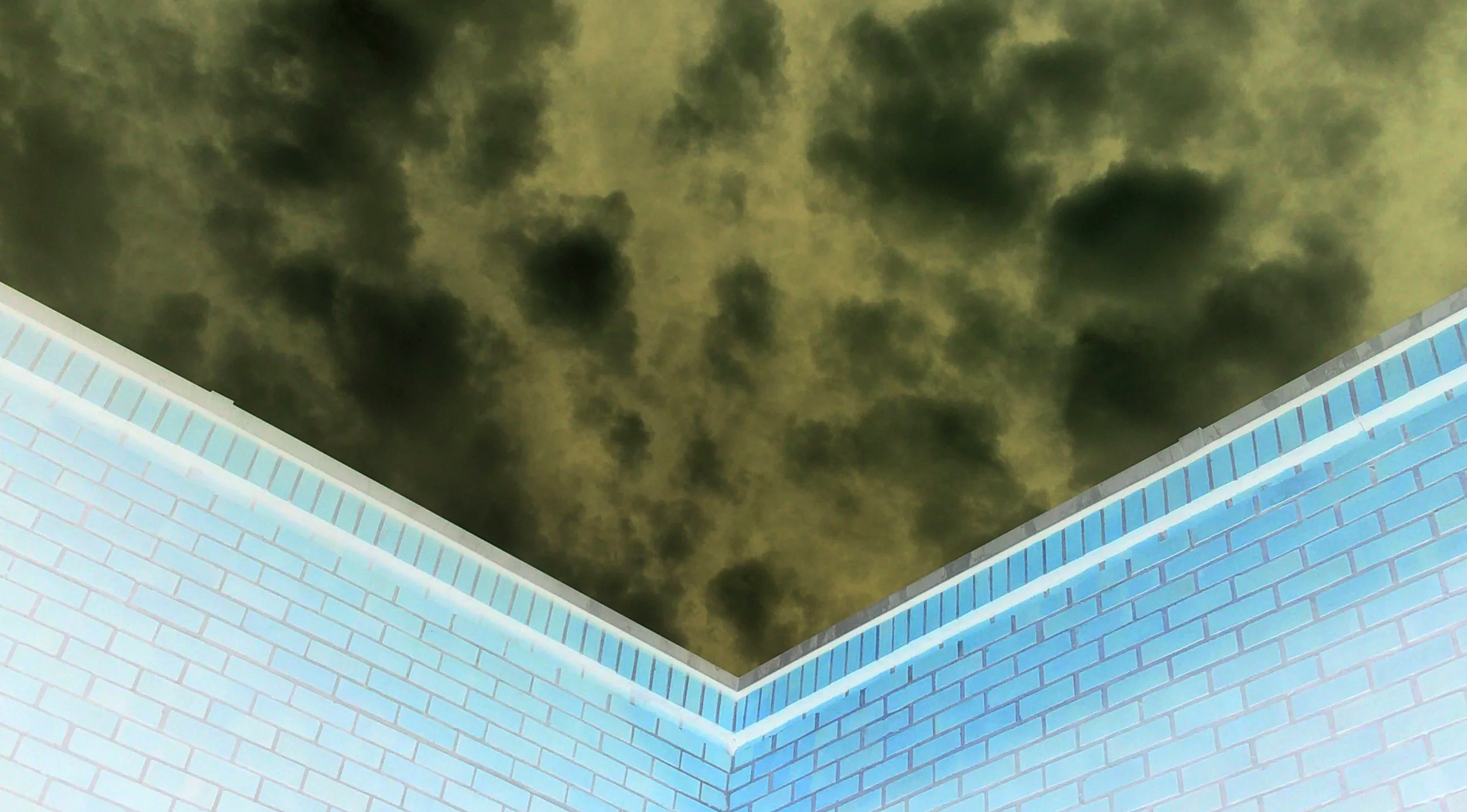
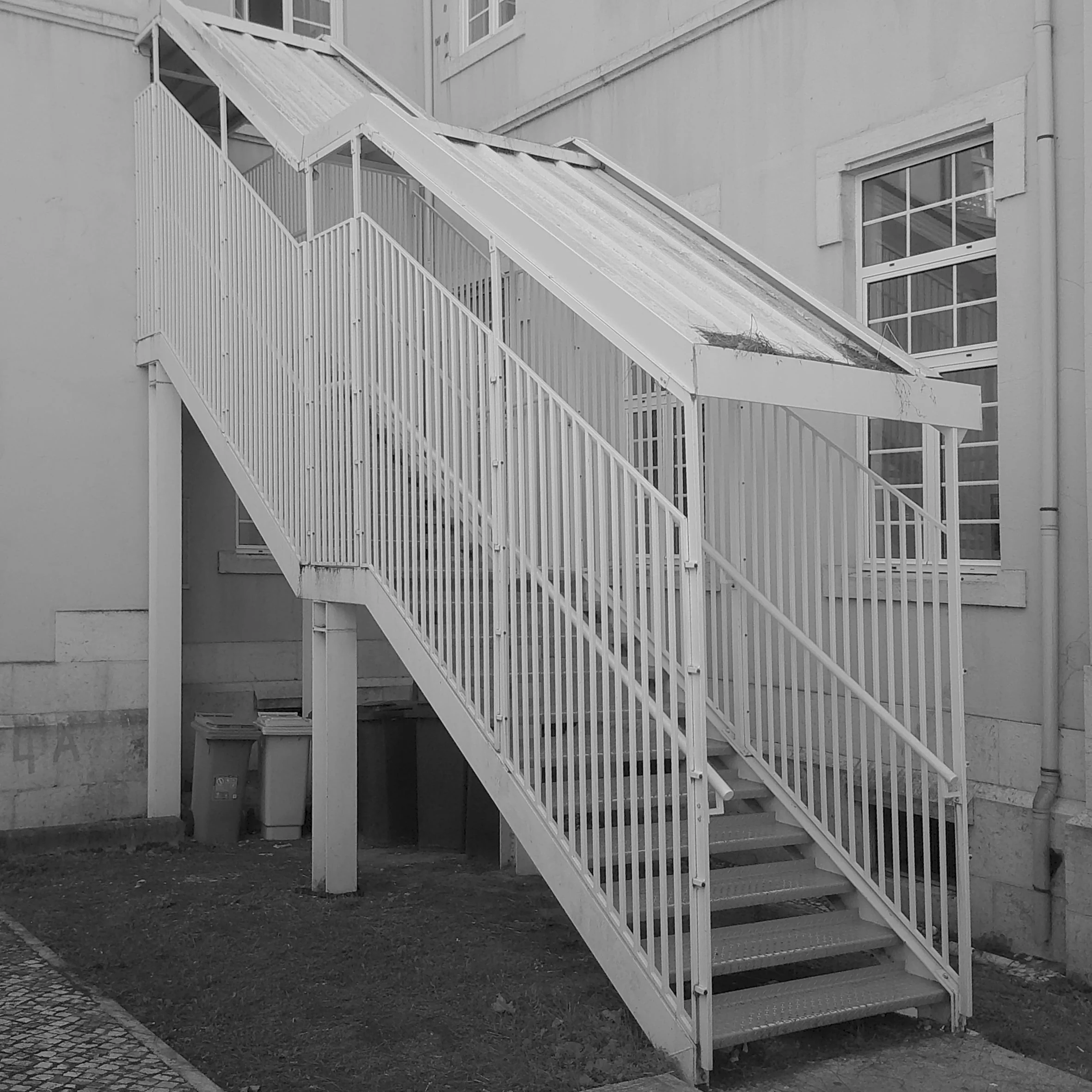
JÚLIO arises from attention to the architecture of the hospital, to the way the space is organized, imposes itself and offers itself to those who traverse it, highlighting the physical presence of the building as a structure that shapes paths.
Rúben Cruz
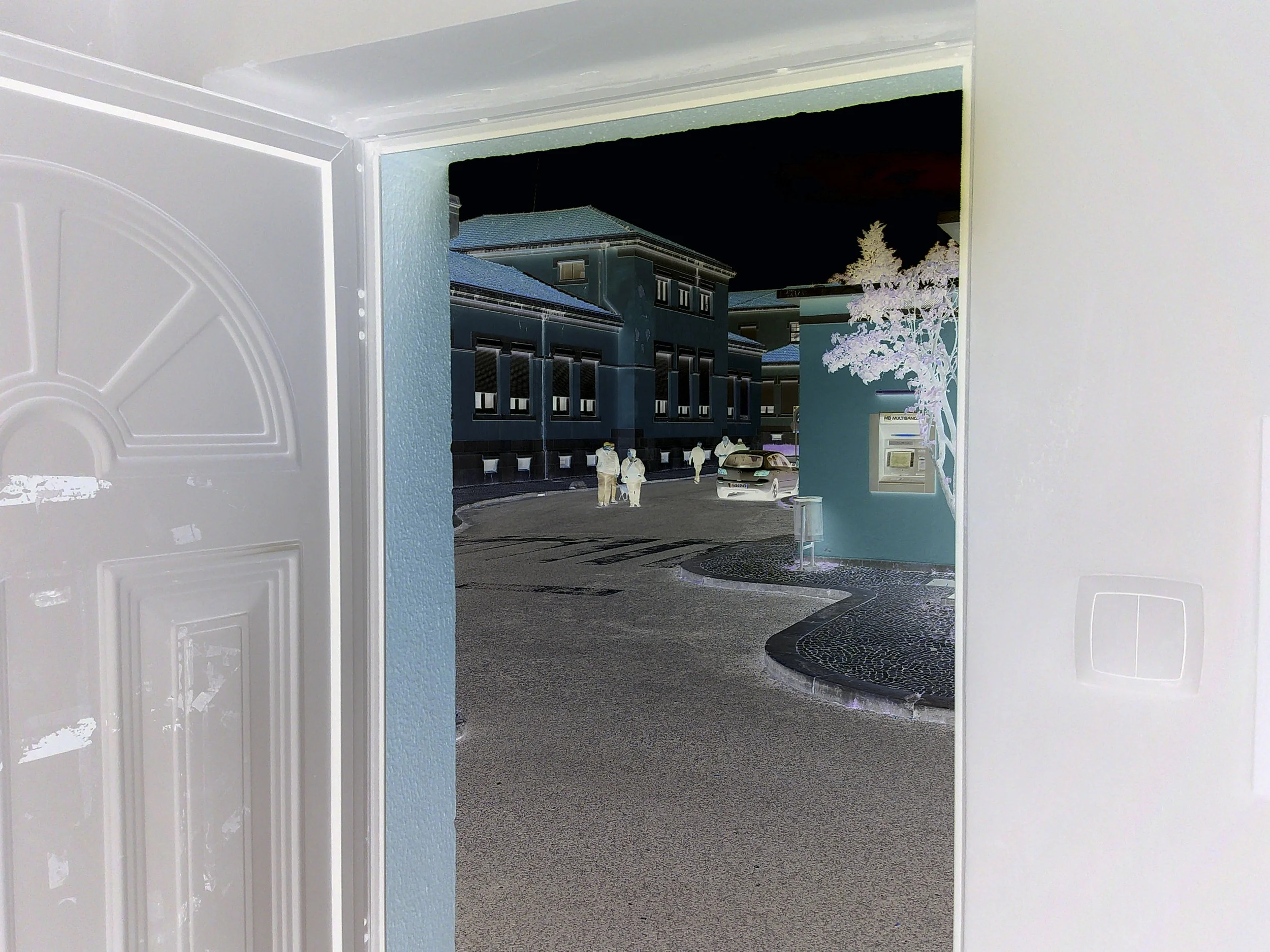
JÚLIO emerges as a microcosm where time flows irregularly and reveals hidden dimensions of daily life. The images function as a symbolic negative, inverting what is visible on the surface to expose fragilities and rhythms normally inaccessible to the hurried gaze. Through this inversion, layers of humanity are revealed, insinuating themselves between light, shadow, and identity, inviting the observer to re-evaluate the place and those who inhabit it.
Sara Esteves
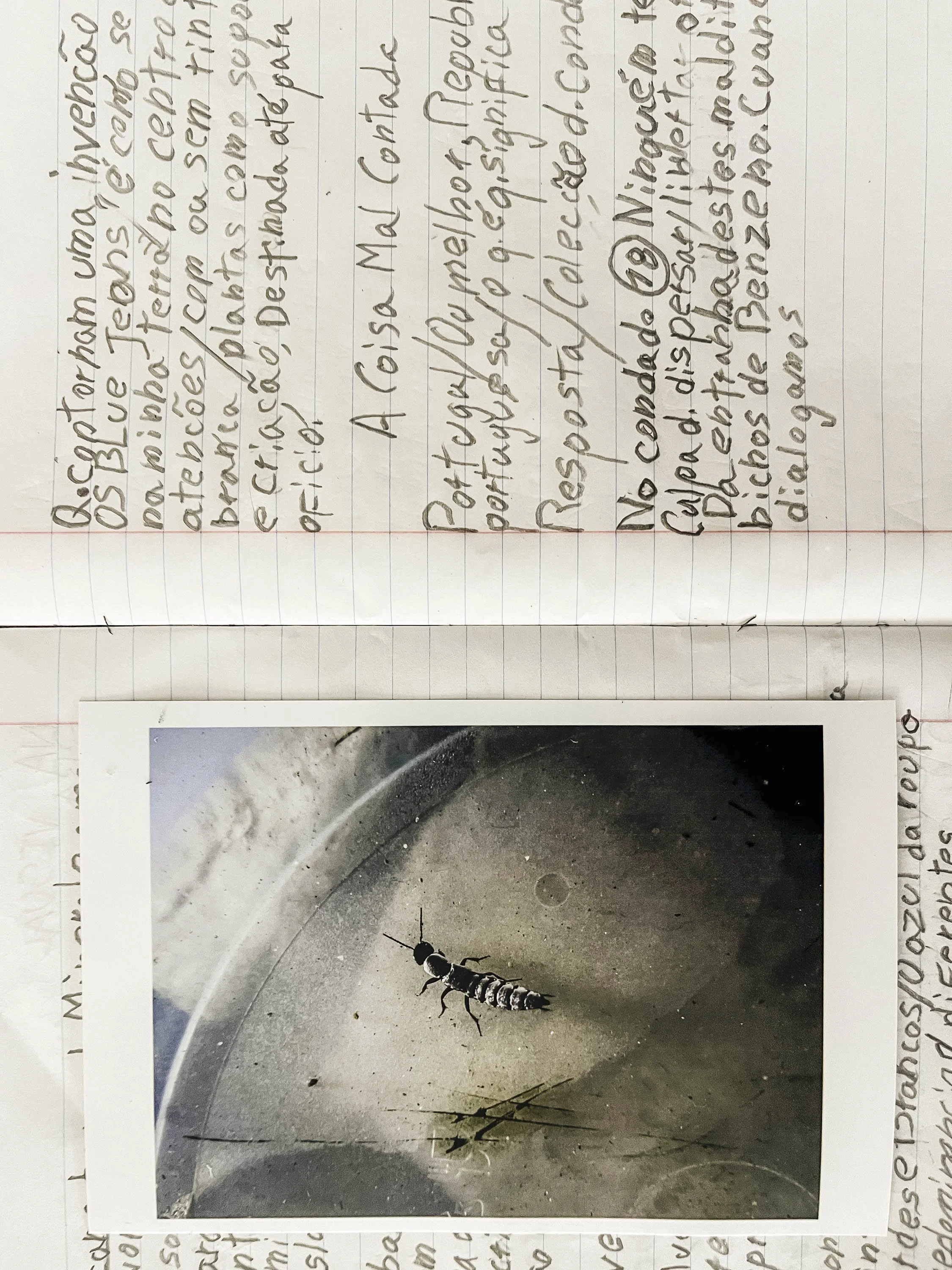
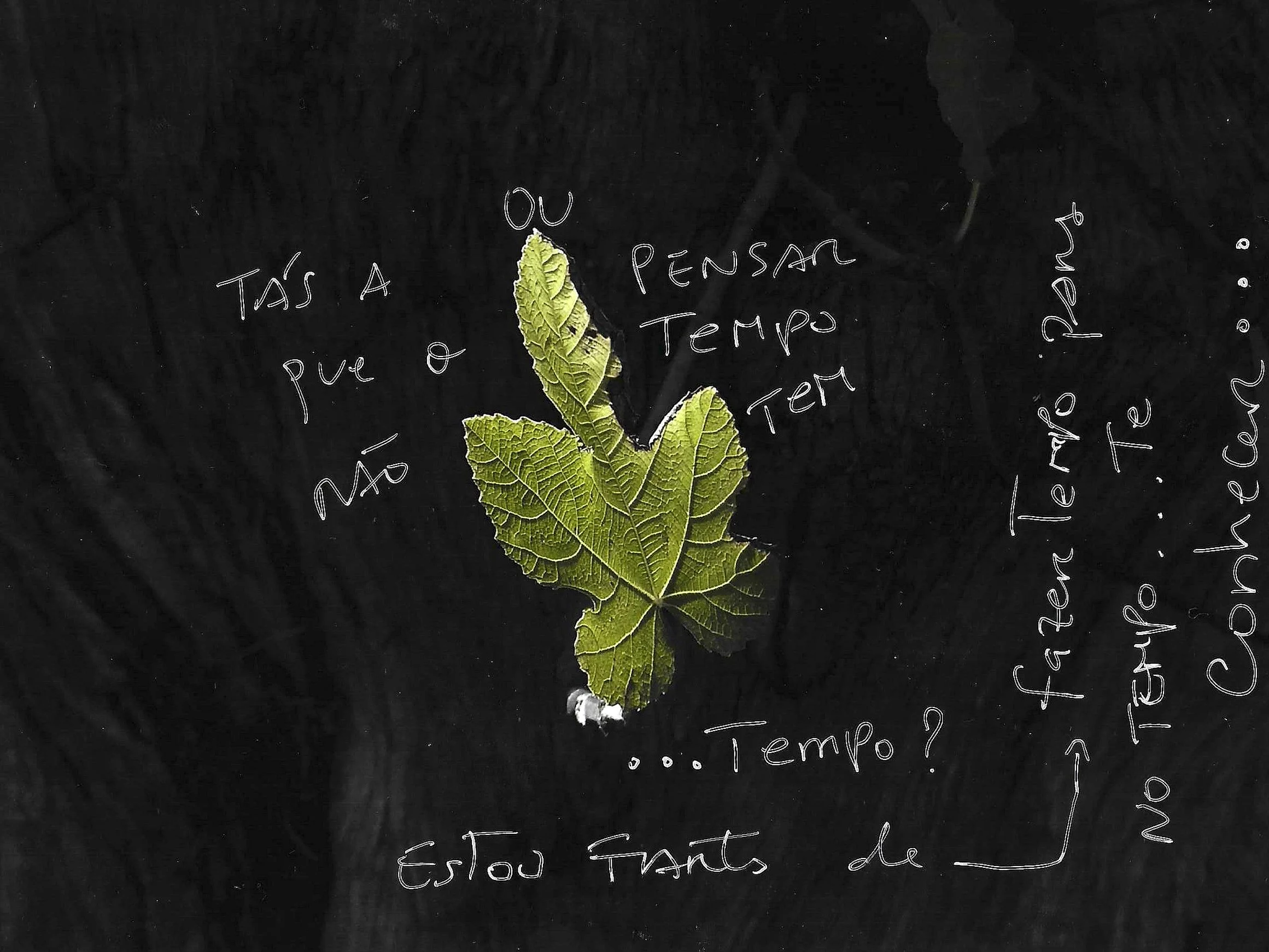
JÚLIO emerges from the encounter with the nature that surrounds the hospital, where each element becomes a metaphor for feelings and thoughts in transit in the froth of the days. The green spaces function as surfaces of reflection, where innocence and introspection intertwine in a silent dialoguev—va dialogue that, even so, summons the presence of the other, even when that other seems absent.