
WINNERS
ADRIANA MORAIS
ANDRÉ CABRERA
CHRISTOPHER BERWINNG
CI DEMI


ADRIANA MORAIS
-
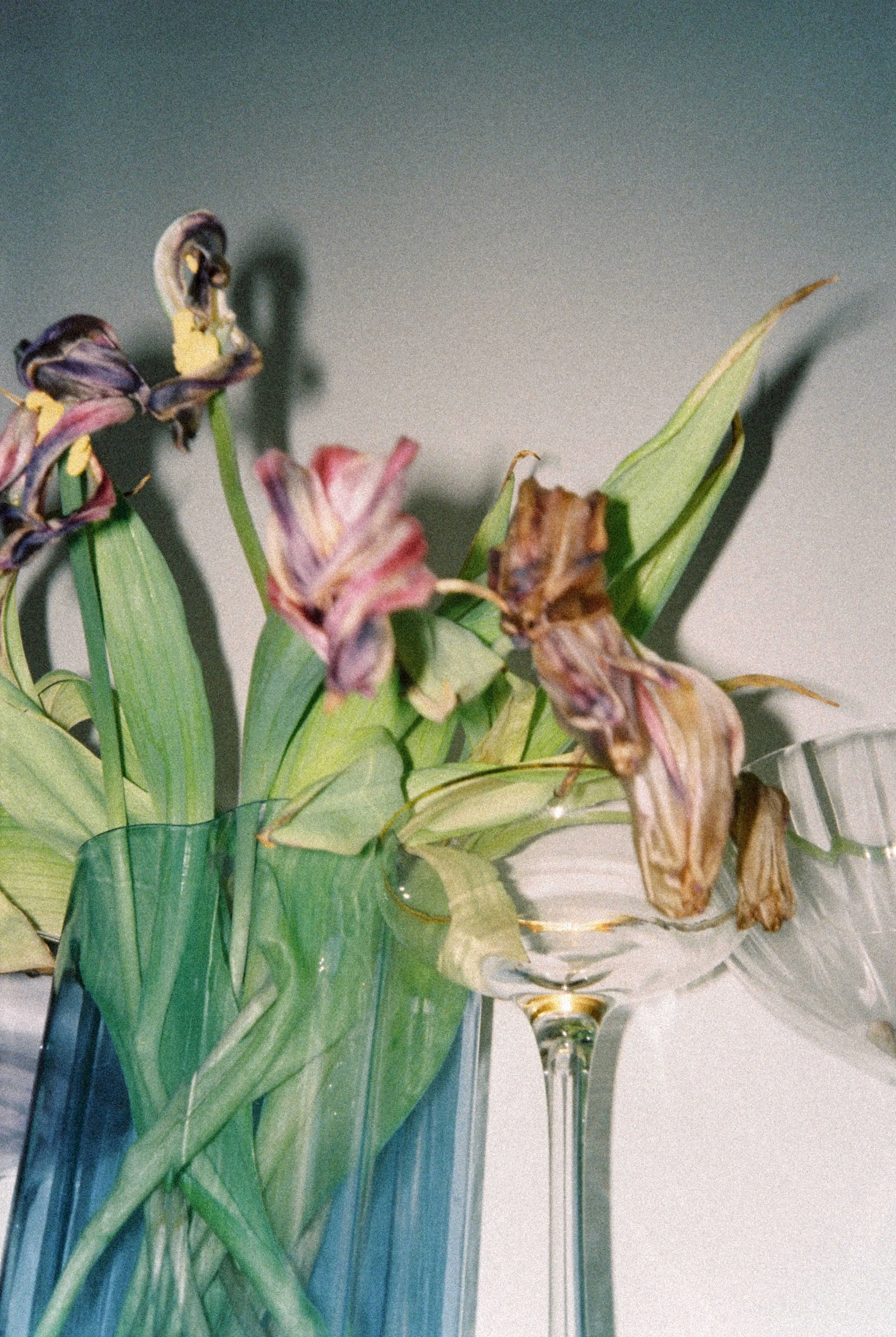
This project emerges after trauma, after rape. For sixteen years, within an intimate romantic relationship, abuse existed — rapes disguised as love, desire, care, and normality. It took many years to understand what was happening, and the understanding is still unfolding. There was no consent, only silence, compliance, manipulation, and a body that learned to give in in order to remain loved.
The photographs do not depict the act itself. They speak of what came after — what remained, what insisted on living or surviving. There is brightness, excess, celebration: streets, friends, protests, bodies, sex, and the rediscovery of sex. These are images of survival that refuse quietness.
This work speaks of a difficult rediscovery: a sexuality crossed by fear and still pursued; a body relearning how to belong to itself. Not as a linear healing process, but as a daily struggle — with relapses, pain, rage, pleasure, guilt, shame, and strength.
It is not an ending. It is an after.
And the after is loud.
Trauma also dances. Trauma also smiles. Trauma also fucks.


ANDRÉ CABRERA
-
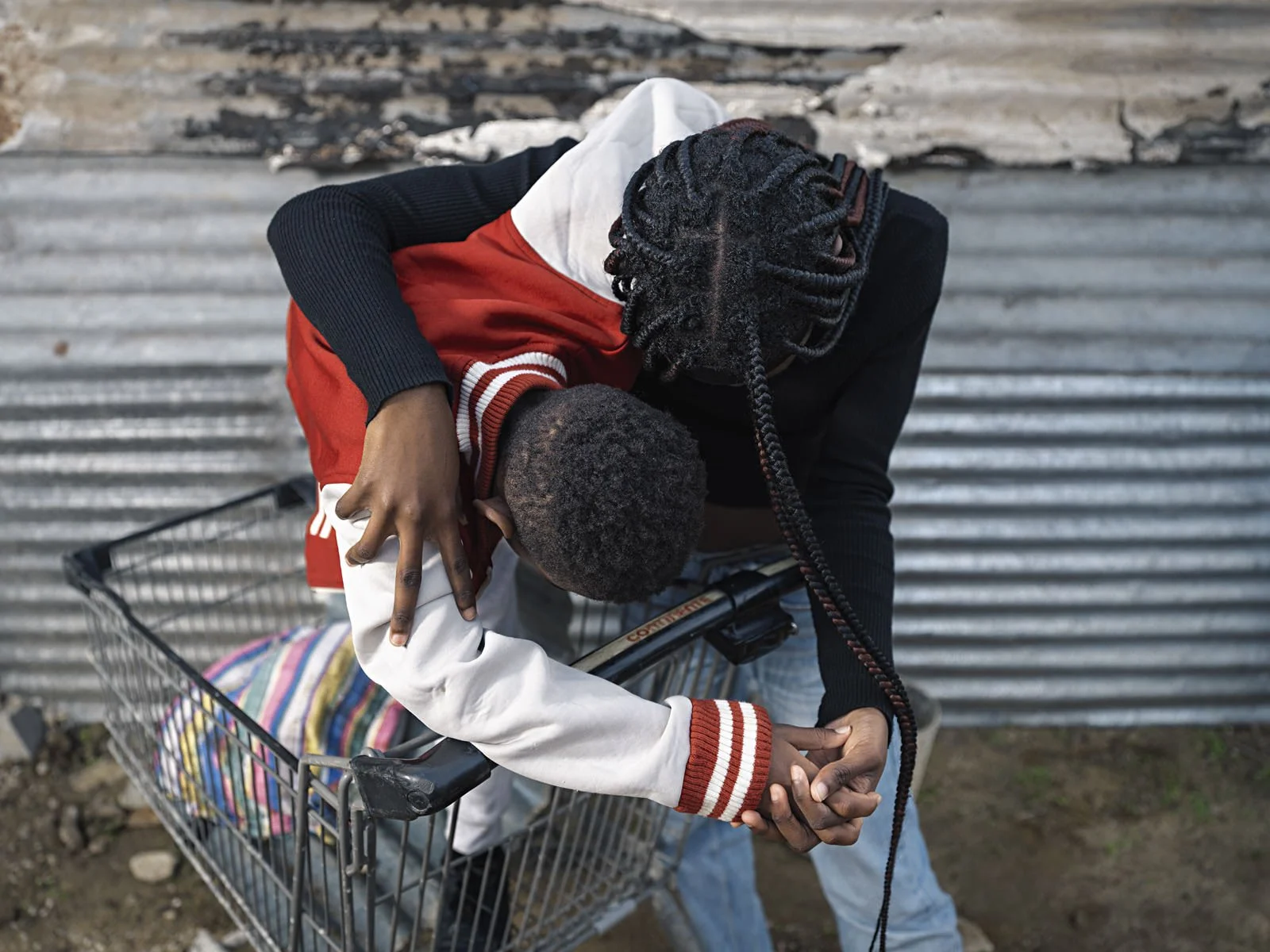
This project examines migration and precarious living conditions in the greater Lisbon area, and how they clash with political narratives while questioning what future remains available for younger generations.
My interest stems from observing how European cities are rapidly transforming demographically and urbanistically through gentrification. I approach this transformation as a series of interconnected chapters.
Through theoretical research, I investigate migration and precariousness as outcomes of structural inequality, political neglect, and economic systems rather than individual responsibility. The project focuses on the self-built Portuguese neighborhoods of Bairro da Penajóia and Raposo in Almada, across the river from tourist-driven Lisbon. It is contextualized through post-revolutionary housing crises, colonial legacies, and contemporary labor and housing policies. Drawing on historical sources, sociopolitical studies, and media analysis, I examine how migration is repeatedly instrumentalized as a scapegoat for systemic failure.
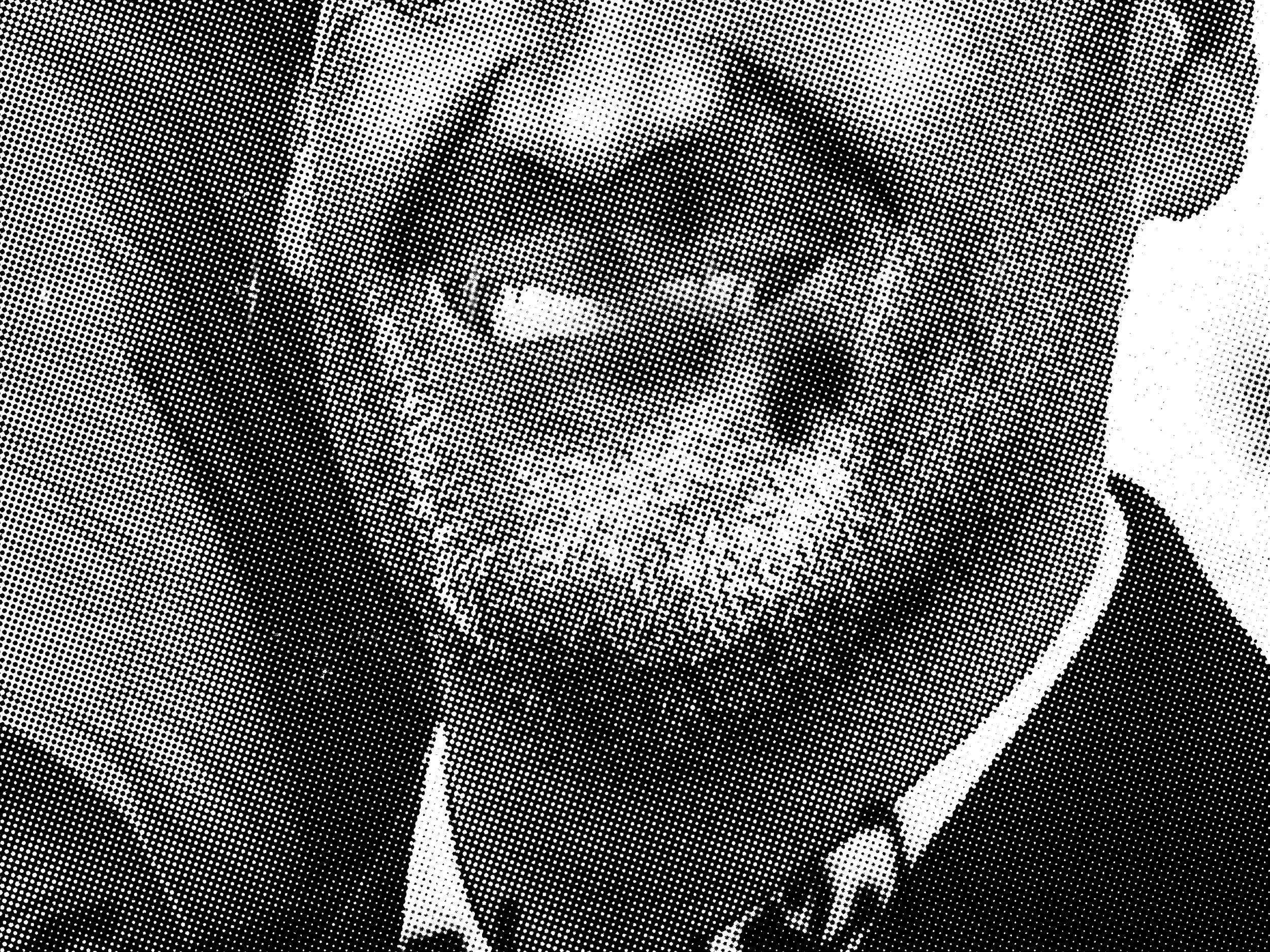
Methodologically, the work operates through two platforms. The first is long- term photographic fieldwork in Penajóia and Raposo, using slow observational photography to emphasize construction materials, spatial compression, and the lack of basic resources such as water and electricity. The second combines staged imagery shaped by conversations with residents and media narratives with archival material, particularly As Armas e o Povo (1975), revealing that the first bidonvilles were built by Portuguese citizens during the dictatorship.
My position challenges narratives that blame immigrants for social collapse. Precariousness is produced by structures, not by people. With a minimum wage of 920€ and rents starting at 800€ for 50m², instability is becoming a shared condition. The project questions how the surrounding area of Lisbon is increasingly shaped for wealth and tourism while its residents are displaced, silenced, and erased.


CHRISTOPHER BERWINNG
-
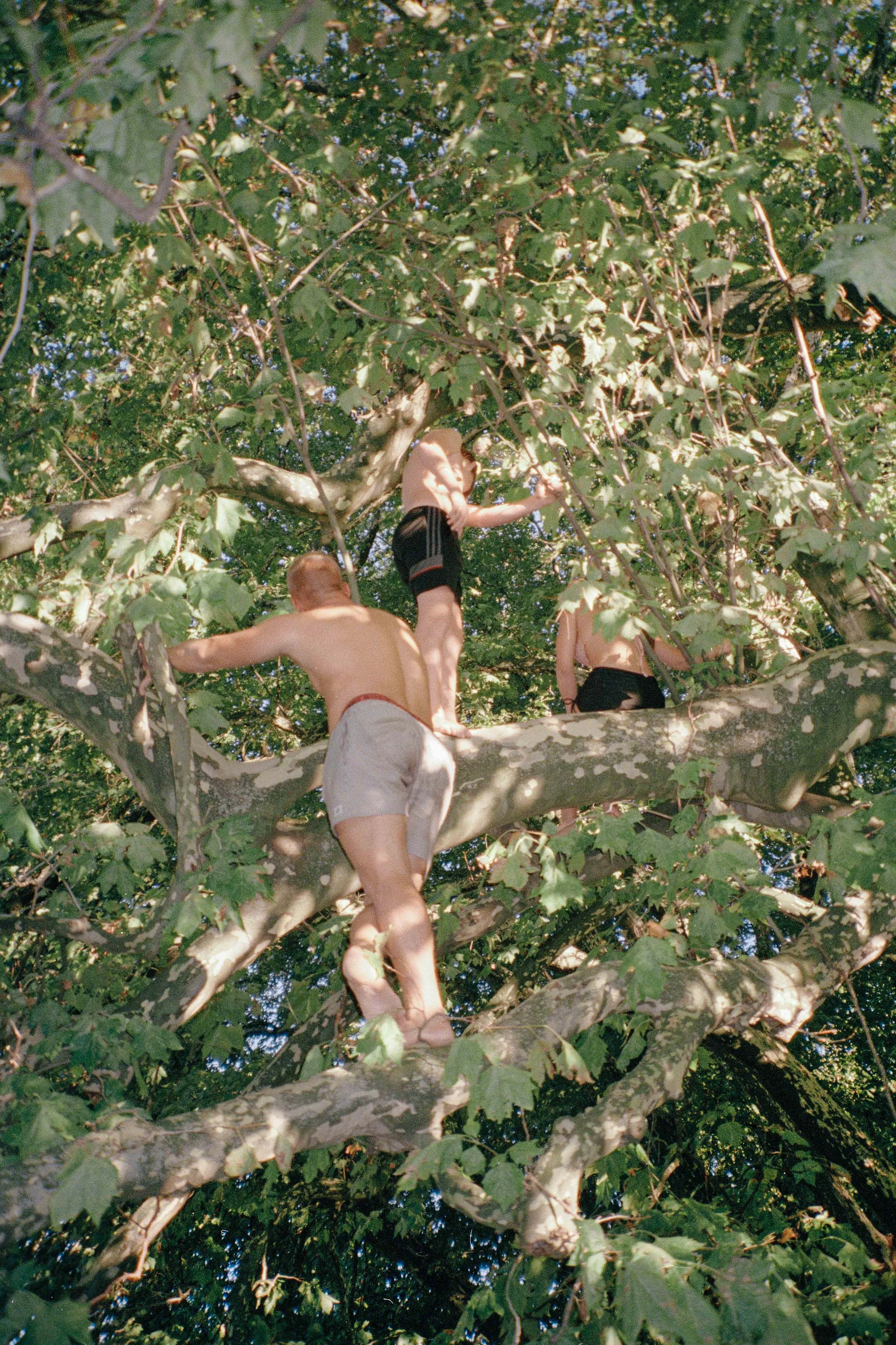
As a Flower Blooms follows young male and read-as-male bodies as they reach upwards – into trees, towards the sky, into the open space of an imagined future.
Moving through peripheral outdoor spaces, they climb, jump and lean into one another with an undirected, hopeful energy. Youth appears here as a brief yet complete season in which the self is still close to a blank page: not empty, but not yet overwritten by expectations, roles and prescribed narratives. In public space, their presence composes temporary social sculptures that practise being close and visible while shaping what being a man can mean today.
Analogue grain and blur insist on imperfect presence. In dialogue with New Masculinities, the work imagines that young men can appear joyful, gentle and searching without being standardised.


CI DEMI
-
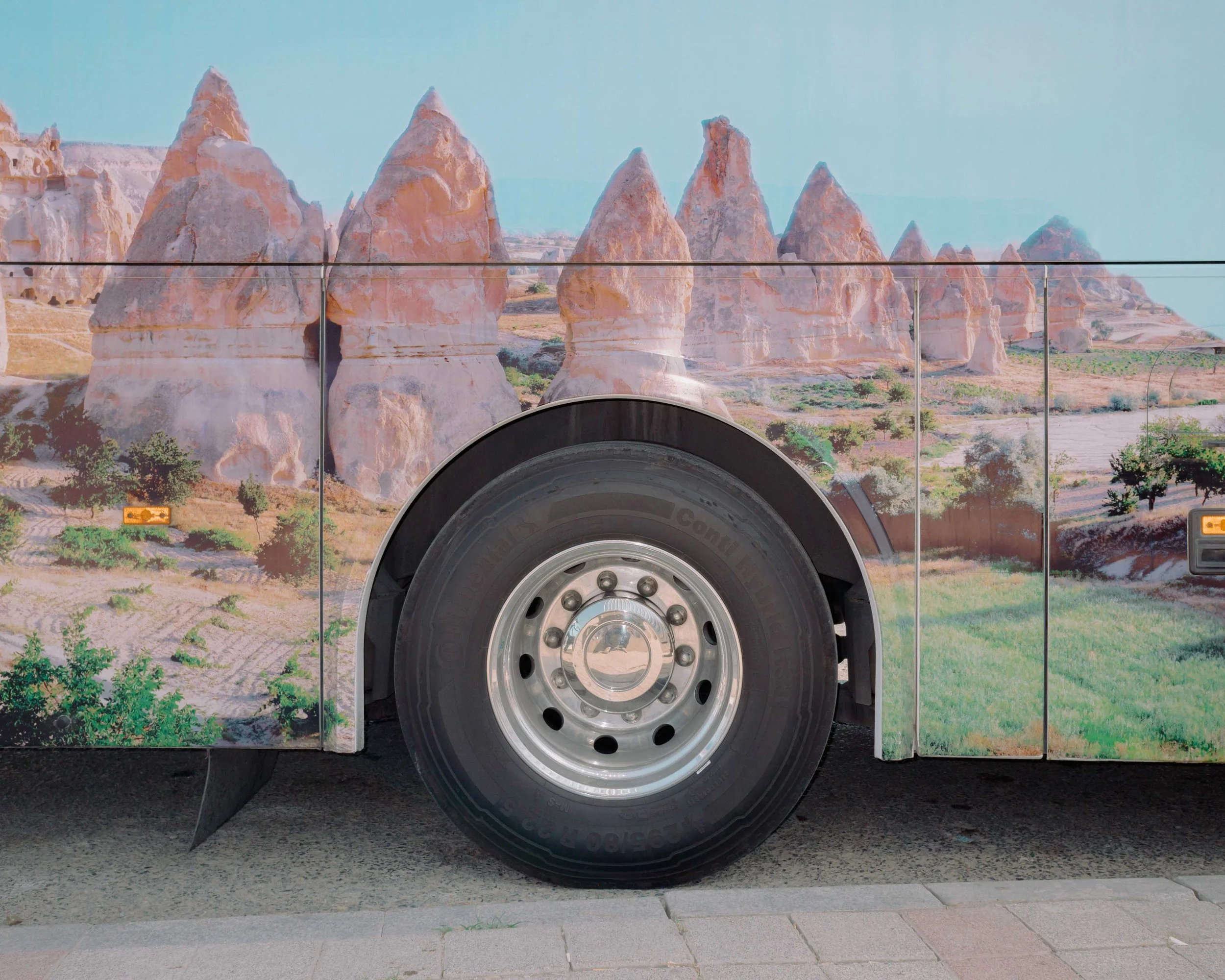
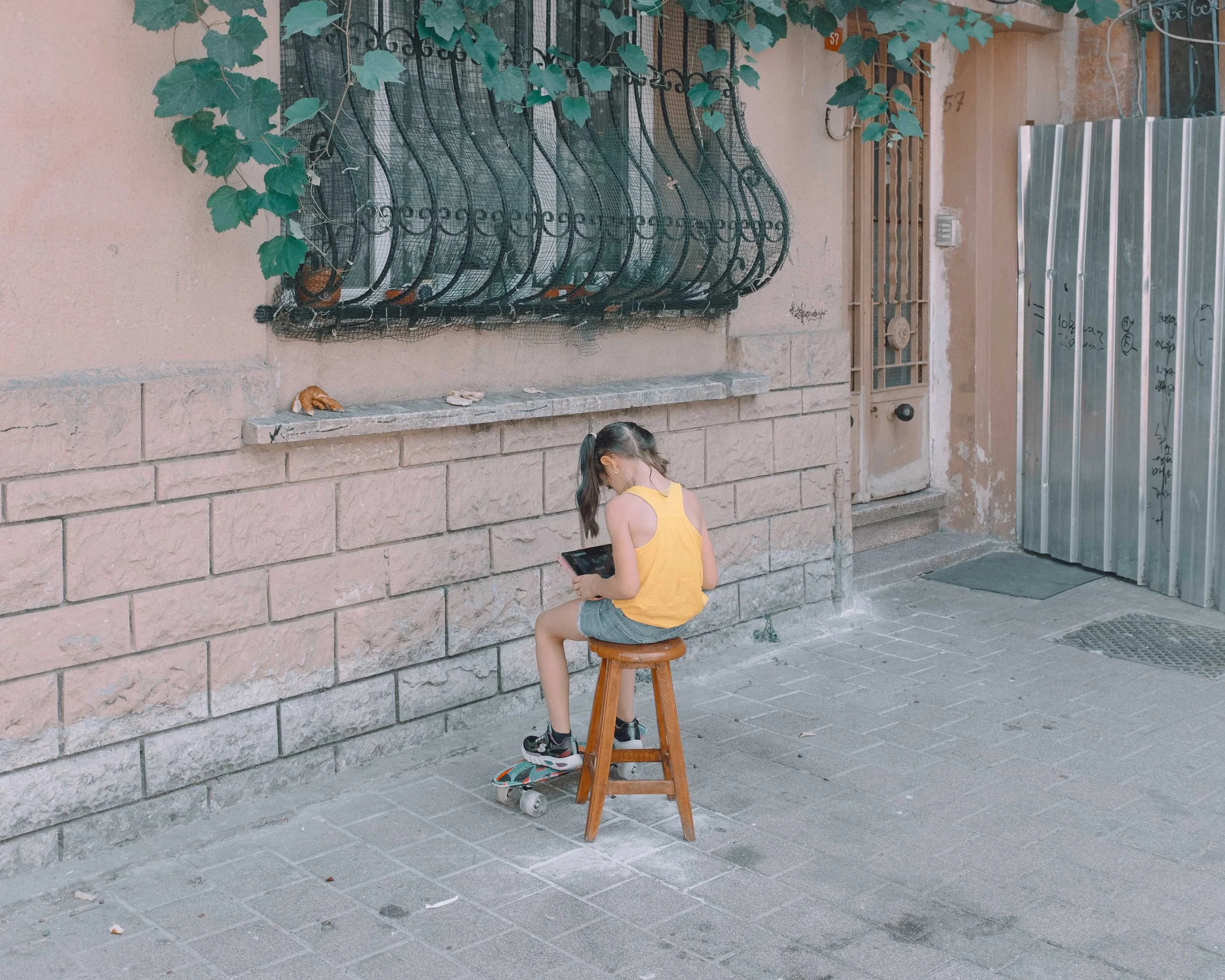
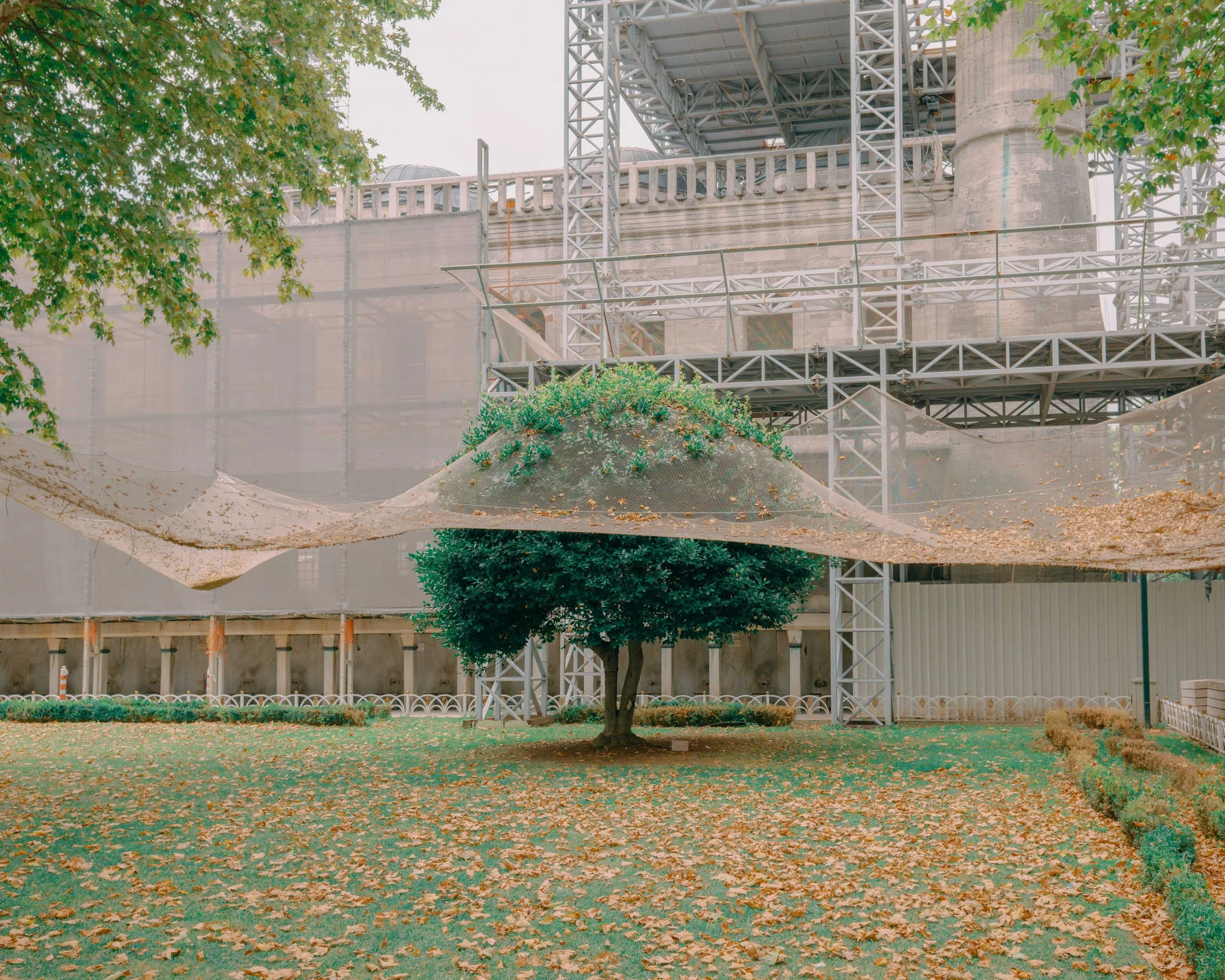
Unutursan Darılmam (No Offence If You Forget)
Everything in this story unfolds within an apartment in Istanbul.
In 2019, the photographer experienced a severe depressive episode that confined him to his home for an entire year. His only outings were for psychiatrist visits and brief trips to the city center.
As months of isolation passed, the city of sixteen million people became a distant memory, morphing into a monstrous, ever-changing entity.
The photographer clung to the few photographs he could take, dedicating every waking moment to studying, editing, sorting, and writing about them.
Society often views mental health as a personal struggle, with alienation as a common consequence. This body of work, however, externalises the author's battles, reflecting the impact of a newly diagnosed bipolar disorder on various facets of Istanbul.
The photographs capture both everyday life in the metropolis and the emotions these moments evoke in the photographer, offering a glimpse into a heavily medicated mind. The scenes depicted are serene, occasionally chilling, often restless, yet oddly loving.
A central question emerges: who is being forgotten, the photographer or the city? Through photography, this body of work creates a shared memory for both the author and the city; a collection of images to revisit once the struggle subsides.