NARRATIVA at School
Visual Literacy Plan
In a world where images occupy a central place in daily life, it becomes essential to provide children with opportunities to develop skills that allow them to observe, interpret, analyze, and create consciously, critically, and creatively. Photographs, videos, advertising, television, cinema, video games, and social networks are part of their daily experiences and influence how they perceive reality, form opinions, and communicate with others. In this context, visual literacy assumes an increasingly relevant role, providing students with tools that allow them to understand the messages conveyed by images, recognize the underlying intentions, and use visual language in an informed and responsible way.
More than learning to look, visual literacy teaches how to see: to notice details, to question what an image shows — and also what it chooses to hide — to understand how composition, light, color, framing, and point of view influence the interpretation of a photograph. Developing this critical eye contributes to forming more conscious citizens, capable of distinguishing information from manipulation, recognizing different perspectives, and reflecting on the impact of images on contemporary society. At the same time, photography constitutes a powerful means of personal expression and communication. By taking photographs, children learn to tell stories, convey emotions, represent the space around them, and give voice to their experiences and imagination. This process stimulates creativity, curiosity, observation skills, problem-solving, and autonomy, while also promoting planning, collaboration, and reflection on their own work.
It is within this context that NARRATIVA in School – Visual Literacy Plan emerges, a project that uses photography as a starting point to explore visual language and encourage a more conscious relationship with images.
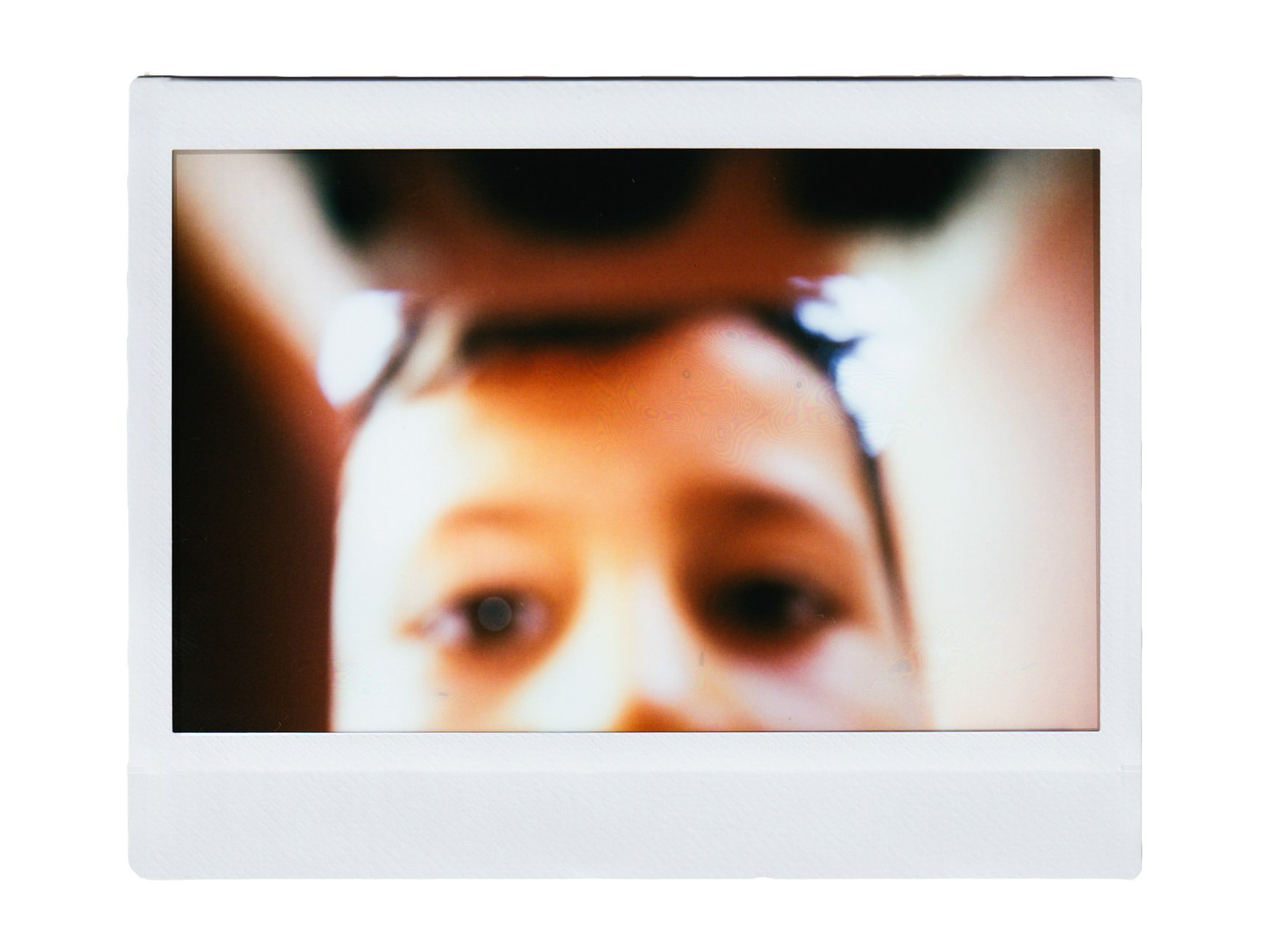
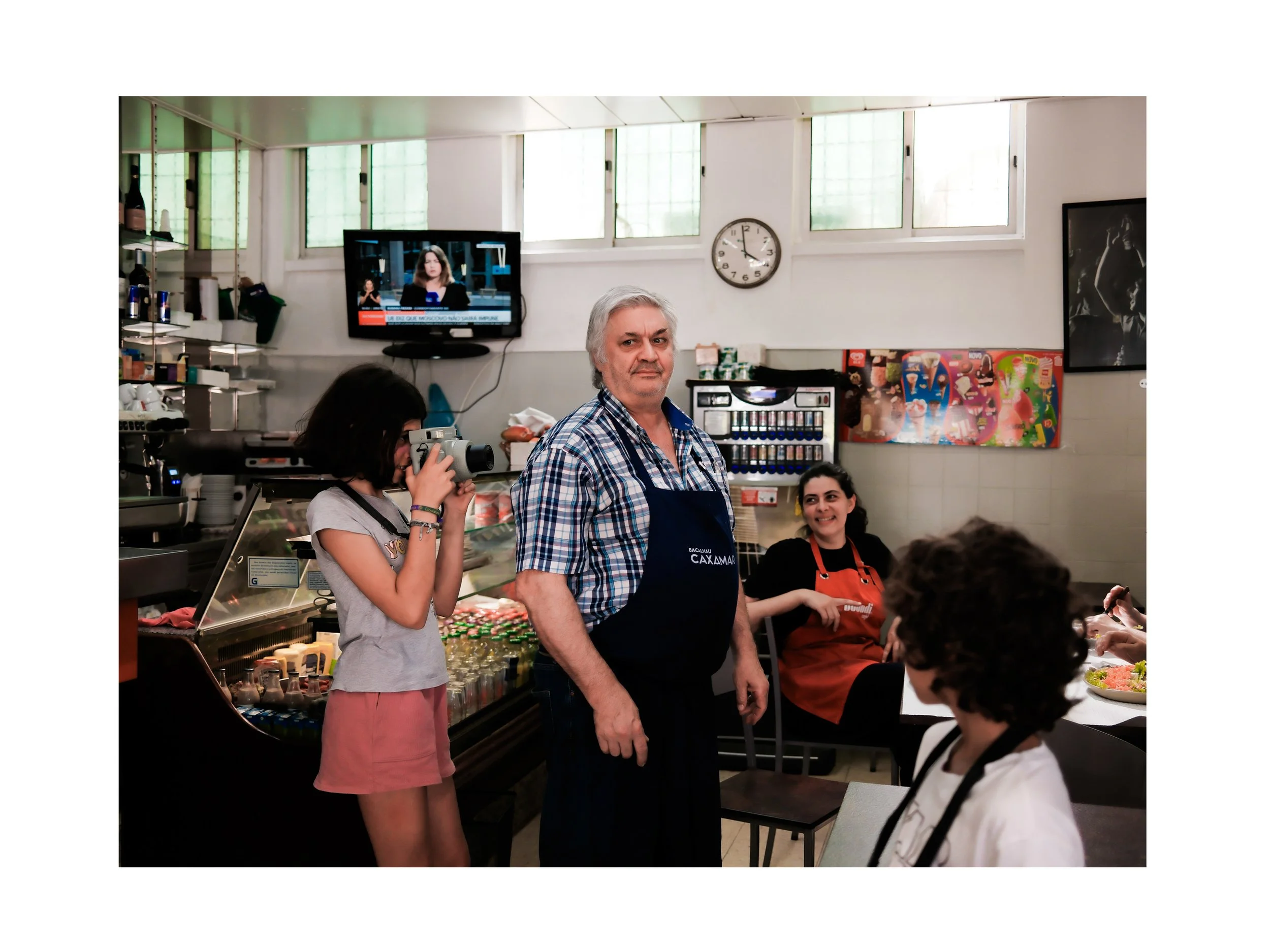
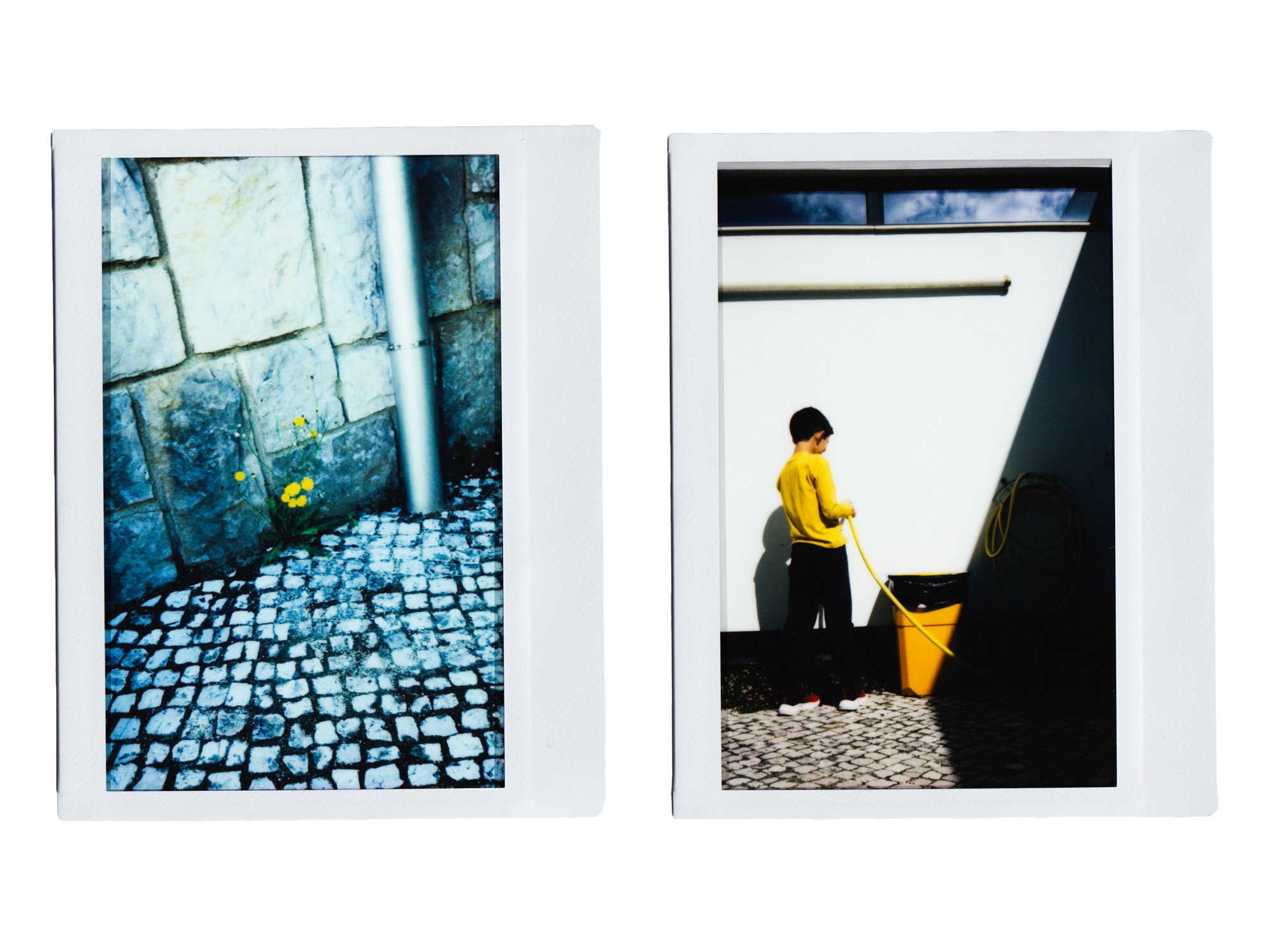
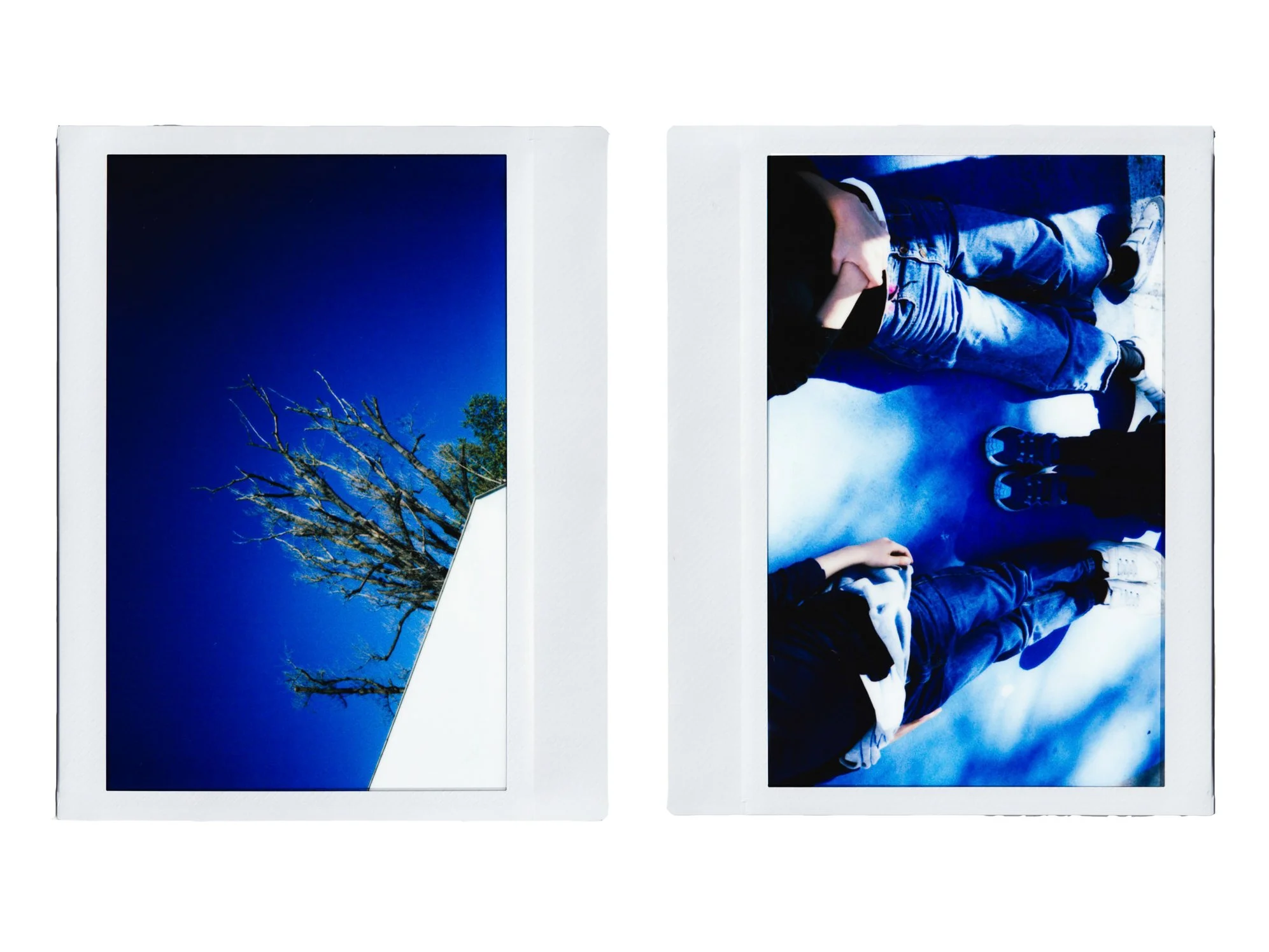
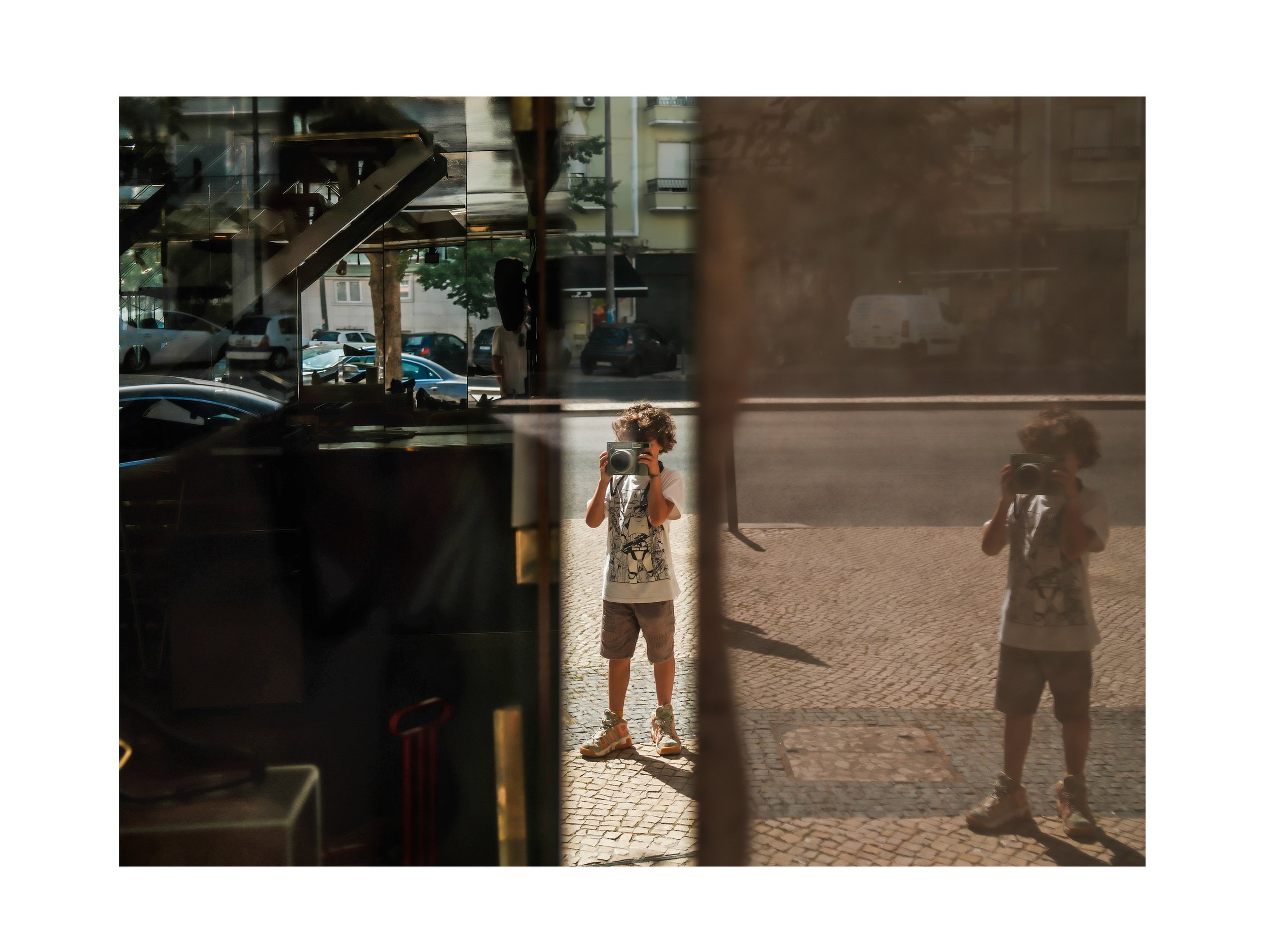
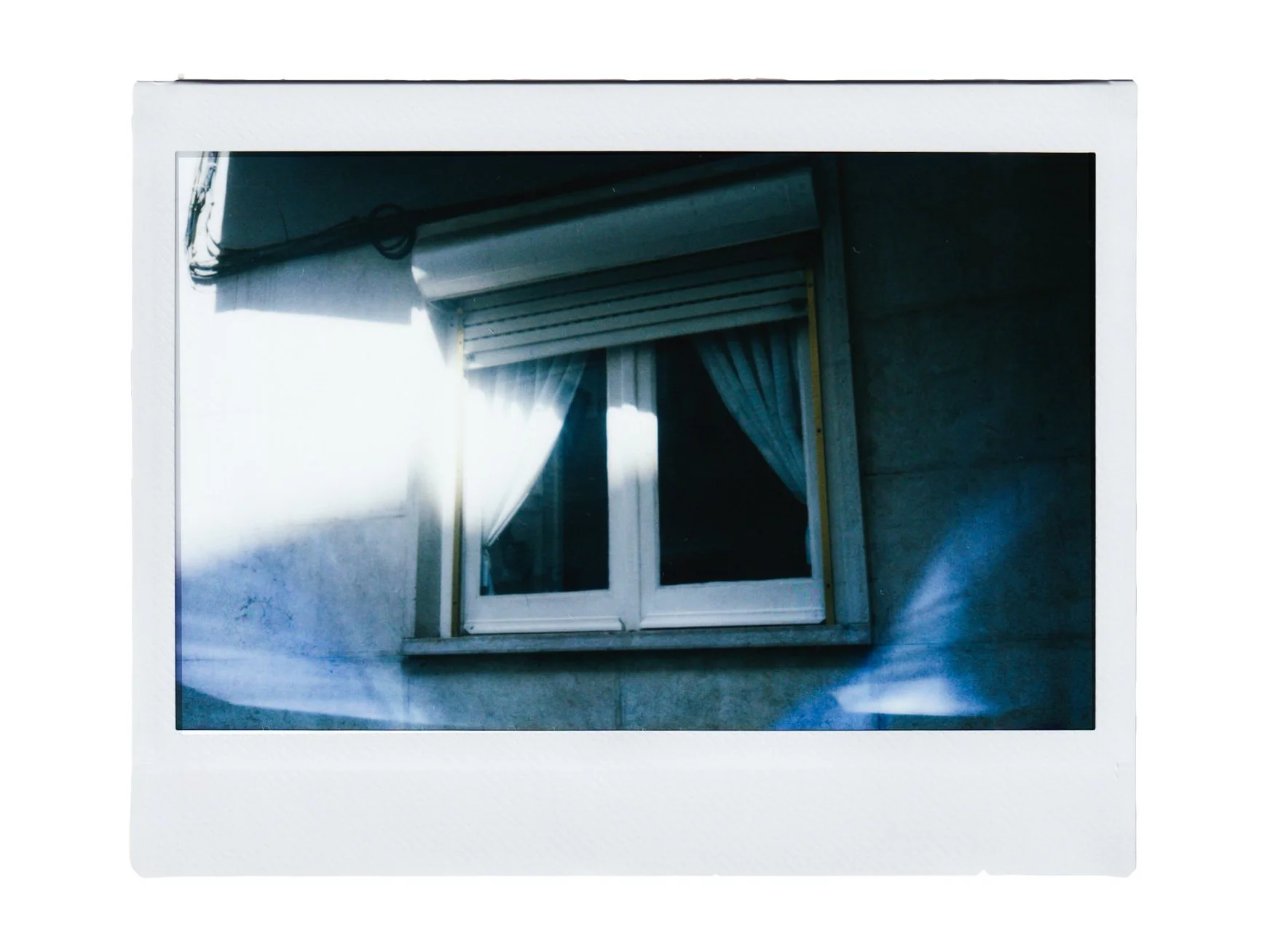
Throughout the school year, the NARRATIVA in School – Visual Literacy Plan program provided students at Teixeira de Pascoais Basic School with a diverse set of educational experiences centered on photography and visual language, promoting a creative and critical approach to the image as a form of communication and expression.
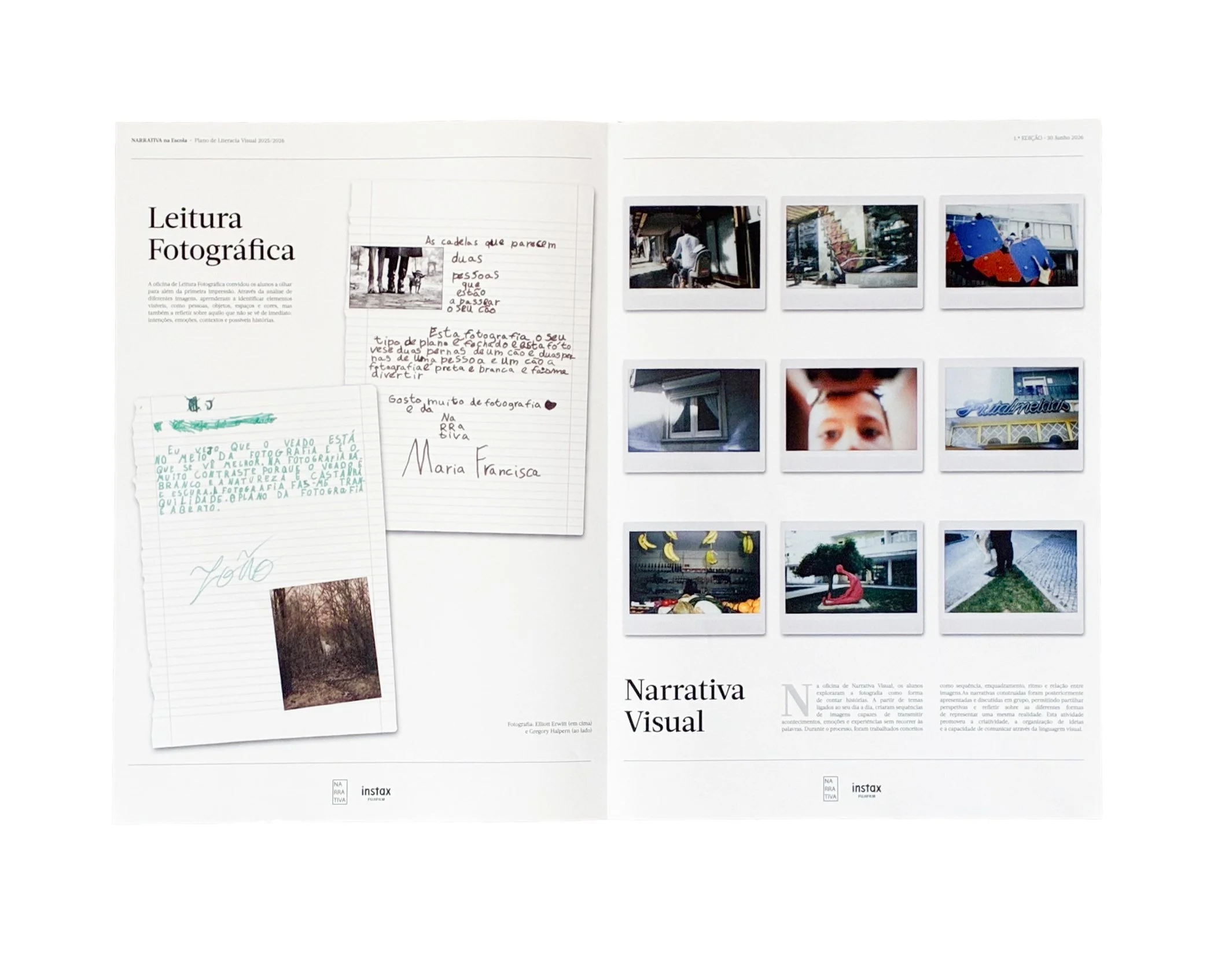
Throughout the different sessions, students had the opportunity to discover the fundamental principles of photography, learn about the narrative potential of images, and understand how visual language influences the way we observe and interpret the world around us. Through careful observation, practical experimentation, and the completion of various photographic exercises, they developed skills in analysis, creativity, communication, and artistic expression.
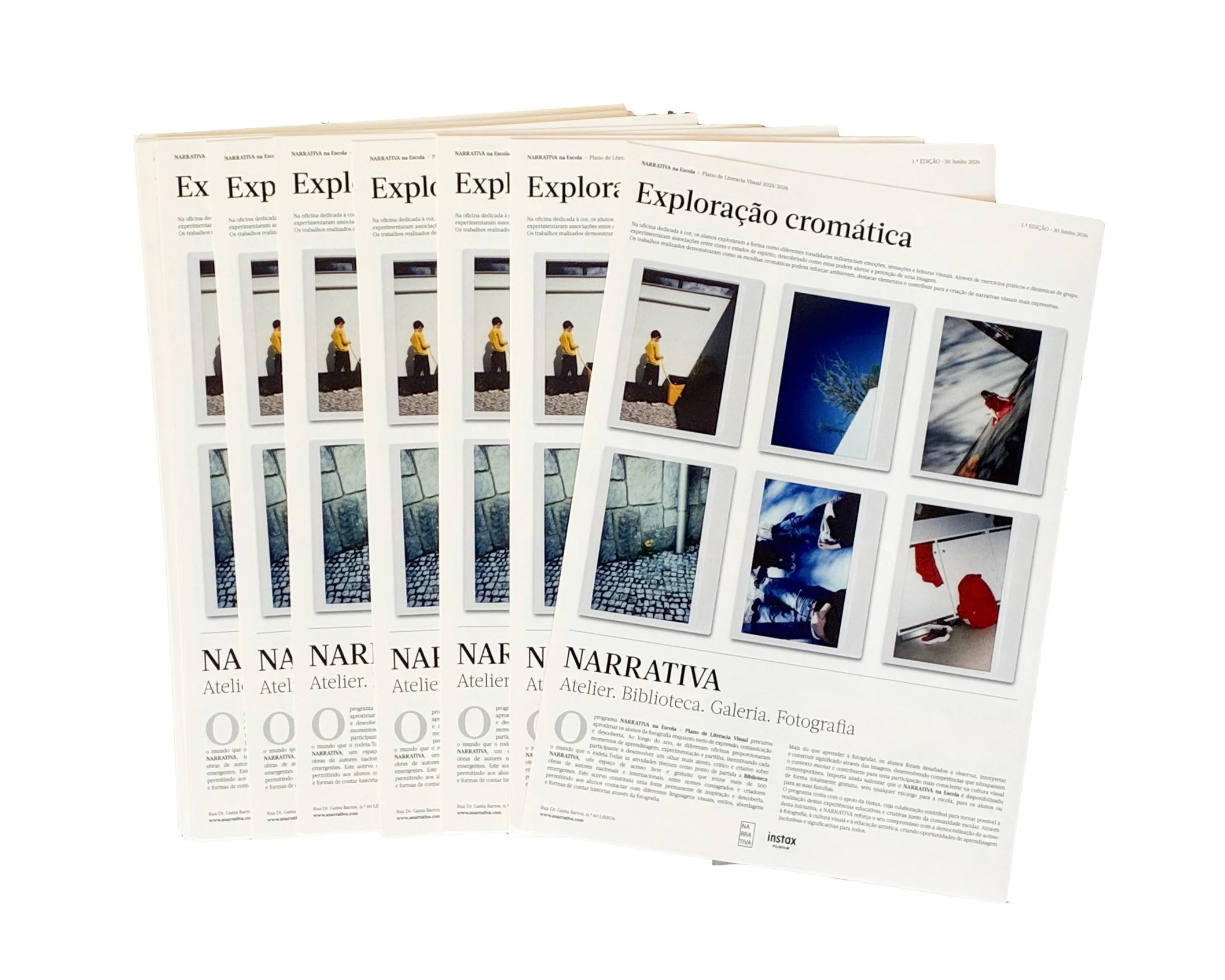
The activities prioritized active and participatory learning, encouraging students to explore different perspectives, framing, lighting, shadows, and compositions, using photography as a tool to tell stories, convey emotions, and represent reality from new points of view. This process allowed them to gain a greater awareness of the role of the image in contemporary society, simultaneously stimulating critical thinking and visual literacy.
Beyond developing technical and aesthetic skills, the program fostered curiosity, autonomy, observational skills, and collaborative work, creating a learning environment where each student could experiment, reflect, and share their ideas. Photography thus proved to be a privileged means for valuing creativity, identity, and individual expression.
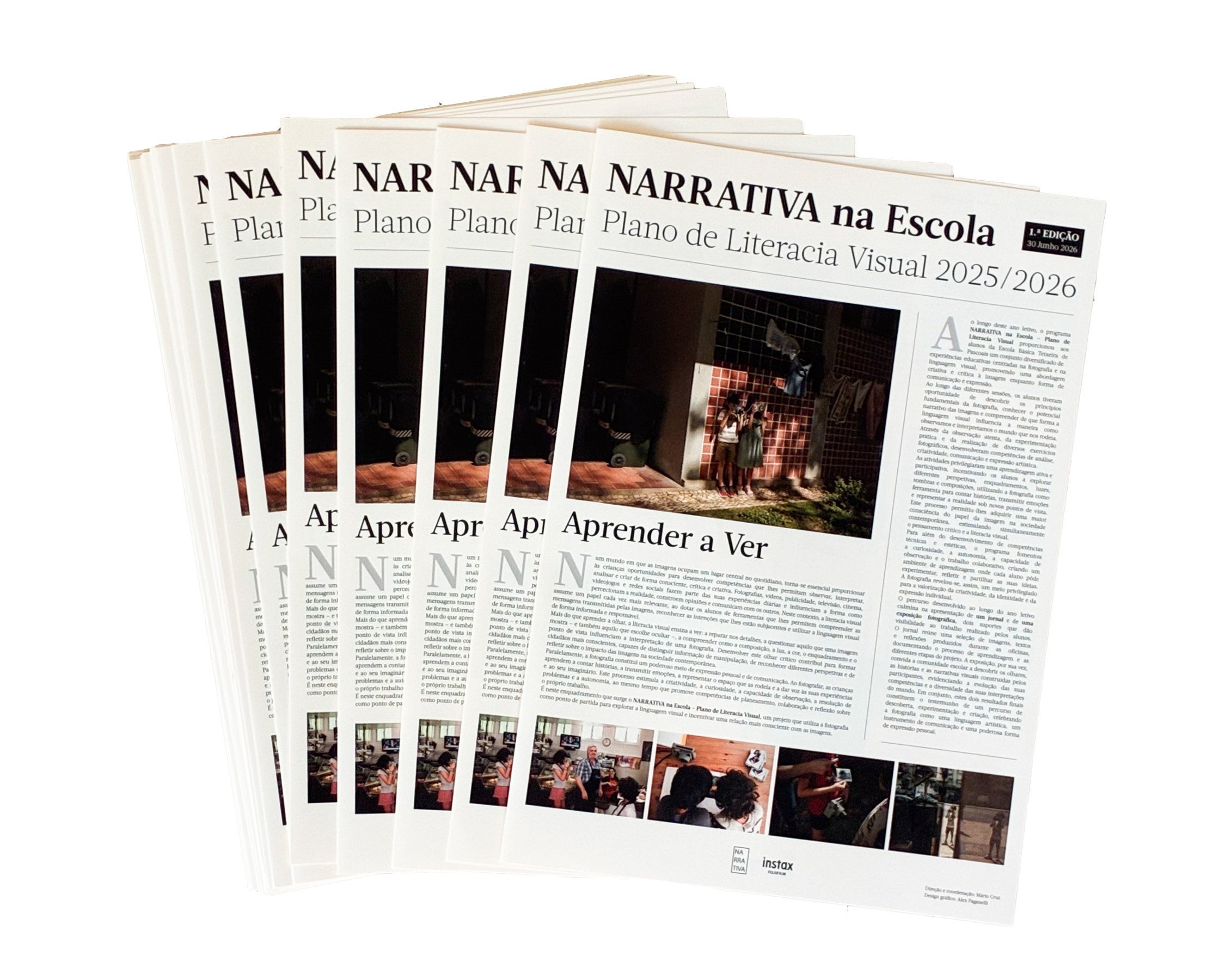
The journey developed throughout the school year culminates in the presentation of a newspaper and a photographic exhibition, two different formats that give visibility to the work done by the students. The newspaper brings together a selection of images, texts, and reflections produced during the workshops, documenting the learning process and the different stages of the project. The exhibition, in turn, invites the school community to discover the perspectives, stories, and visual narratives constructed by the participants, highlighting the evolution of their skills and the diversity of their interpretations of the world. Together, these two final results constitute the testimony of a journey of discovery, experimentation, and creation, celebrating photography as an artistic language, an instrument of communication, and a powerful form of personal expression.
SPONSOR: